September 13, 2026 • Carmen Reyes • 10 min reading time • Specs verified June 25, 2026
Fiberglass Repair Fillers Compared: J-B Weld Short-Strand, Bondo Resin, and Polymer World Chopped Mat Kits
You bought the boat. Now there’s a crack in the hull — or a stress fracture near a cleat, a soft spot from an old through-hull, or a chunk of gelcoat (the outer pigmented layer of a fiberglass hull) that came off when a dock bumped it at exactly the wrong angle. You’ve done enough reading to know you need fiberglass repair products, but the shelf at the marine supply house isn’t self-explanatory. There are fillers, resins, mat kits, and catalyst bottles — and they are not interchangeable. The wrong product on the wrong damage doesn’t just look bad; it can fail structurally. This article compares three products that show up repeatedly in owner discussion and published repair guidance: J-B Weld Short-Strand Fiberglass Filler, the Bondo Fiberglass Resin Kit, and Polymer World Chopped Strand Mat bundles paired with polyester laminating resin. By the end, you’ll have a clear decision rule for which product fits your specific repair.
| EDITOR'S PICKTotalBoat Polyester Laminating… | Mid-tierBondo Fiberglass Resin Repair K… | Budget pick3M Bondo Fiberglass Resin 0.9 P… | |
|---|---|---|---|
| Volume | 1 gal | 0.9 qt | 0.9 pt |
| Catalyst included | ✓ | — | — |
| Kit type | Resin + catalyst | Repair kit | Resin only |
| Waterproof | — | — | ✓ |
| Use on metal | — | — | ✓ |
| Use on wood | — | — | ✓ |
| Price | $60.46 | $34.25 | $20.32 |
| See on Amazon → | See on Amazon → | See on Amazon → |
What You’re Actually Choosing Between
Before getting into product specifics, the single most useful distinction to lock in is filler versus laminate.
A fiberglass filler (like J-B Weld Short-Strand) is a two-part putty containing short glass fibers suspended in a resin base. It goes on like body filler, builds up quickly, and sands without drama. It is ideal for surface voids, minor gelcoat chips, cosmetic crazing, and shallow gouges that haven’t compromised laminate thickness. Think of it as the fiberglass equivalent of wood filler — excellent for what it is, wrong tool if you need structural restoration.
A laminating resin with chopped strand mat (CSM) is a wet layup system. You saturate woven or random-fiber glass cloth with catalyzed polyester or vinyl ester resin and build up layers. This is structural repair — the same process used to build the hull in the first place. Jamestown Distributors Boatbuilder Central, in its fiberglass laminate repair overview, states that wet layup CSM work is the appropriate method anytime you are replacing material, bridging a hole, or restoring panel stiffness.
The Bondo Fiberglass Resin Kit lives in between: it’s a polyester laminating resin kit with a small square of fiberglass mat and basic tools included. It can technically do laminate work, but its total included volume is modest enough that reviewers specifically flag it as a “single small patch” system.
Kit-by-Kit Breakdown
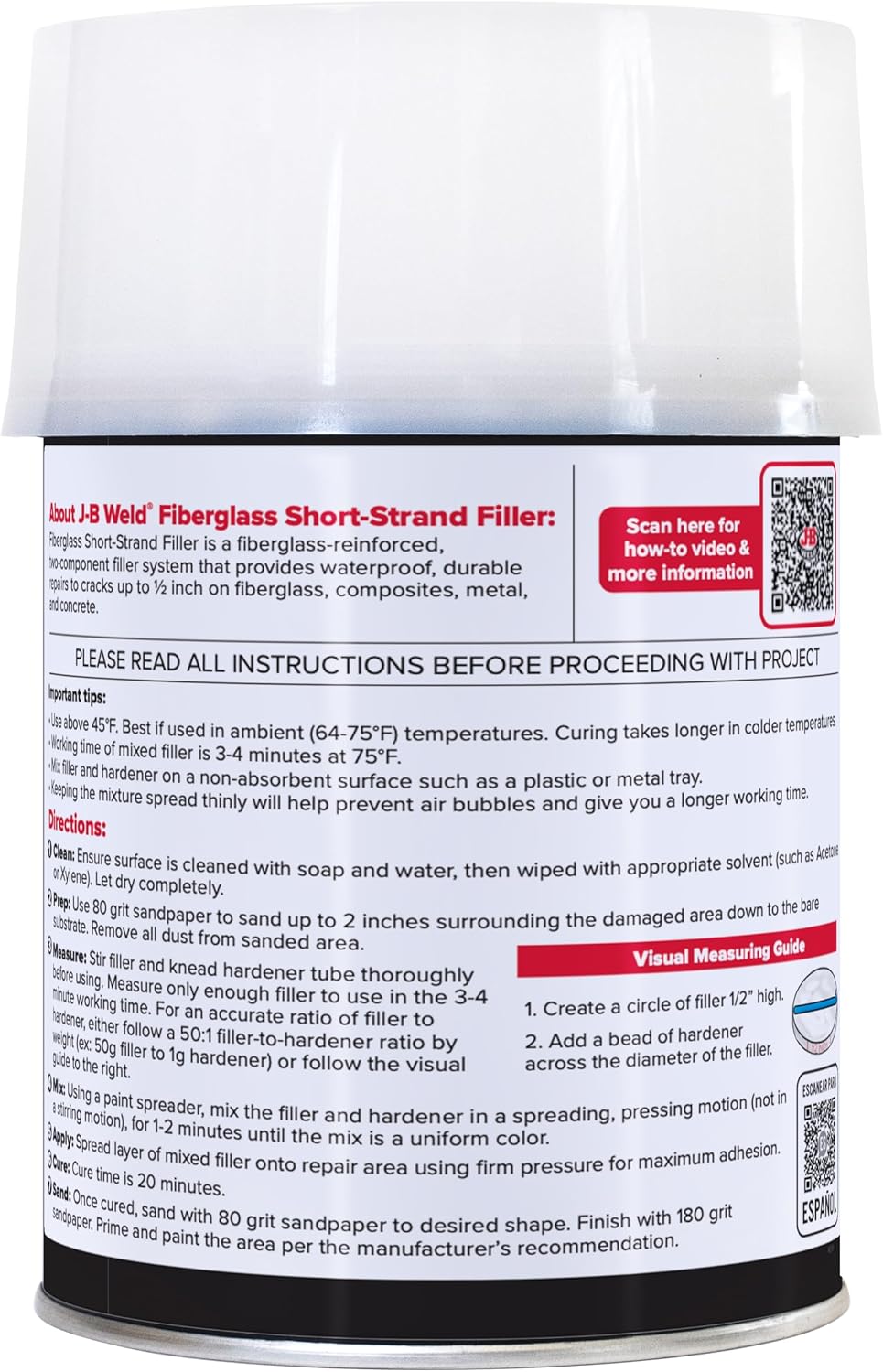
J-B Weld Short-Strand Fiberglass Filler
J-B Weld’s Short-Strand product is a two-part polyester-based filler loaded with glass fiber strands. You mix the filler with a cream hardener (similar to working with traditional Bondo body filler), and it goes on with a spreader. Pot life — the working time before the mix starts to set — runs roughly 15–20 minutes at 70°F per the manufacturer’s technical data sheet, which gives you a comfortable application window.
What reviewers consistently report: The two differentiating features that appear repeatedly across owner accounts are lower odor compared to standard Bondo polyester resin, and notably easier dry sanding. Reviewers specifically contrast it against Bondo in both categories, attributing the sanding quality to consistent fiber distribution through the filler body rather than fiber pullout that creates ragged patches. That’s worth treating as a meaningful signal about day-two workability even if it represents aggregated owner experience rather than controlled lab testing.
For a hull owner doing a blister repair cycle or filling gelcoat crazing over a weekend, the lower-odor claim matters practically. You can work in a partially enclosed cockpit or below deck without a full respirator setup for short sessions — though proper ventilation is always required with any polyester-chemistry product. (See the FAQ section for specifics on styrene exposure.)
Tradeoff to name explicitly: Short-strand filler is not a substitute for laminate. Epoxyworks.com, in its West System fiberglass repair techniques documentation, addresses the hierarchy of repair materials and makes clear that surface fillers — regardless of fiber content — should not be used to bridge holes or replace missing laminate thickness. If your damage goes through the skin, you need wet layup, not filler.
Best fit: Cosmetic and shallow surface repairs. Gelcoat voids, stress cracks that haven’t opened the laminate, blister fill after grinding, and fairing over minor damage before topcoat.
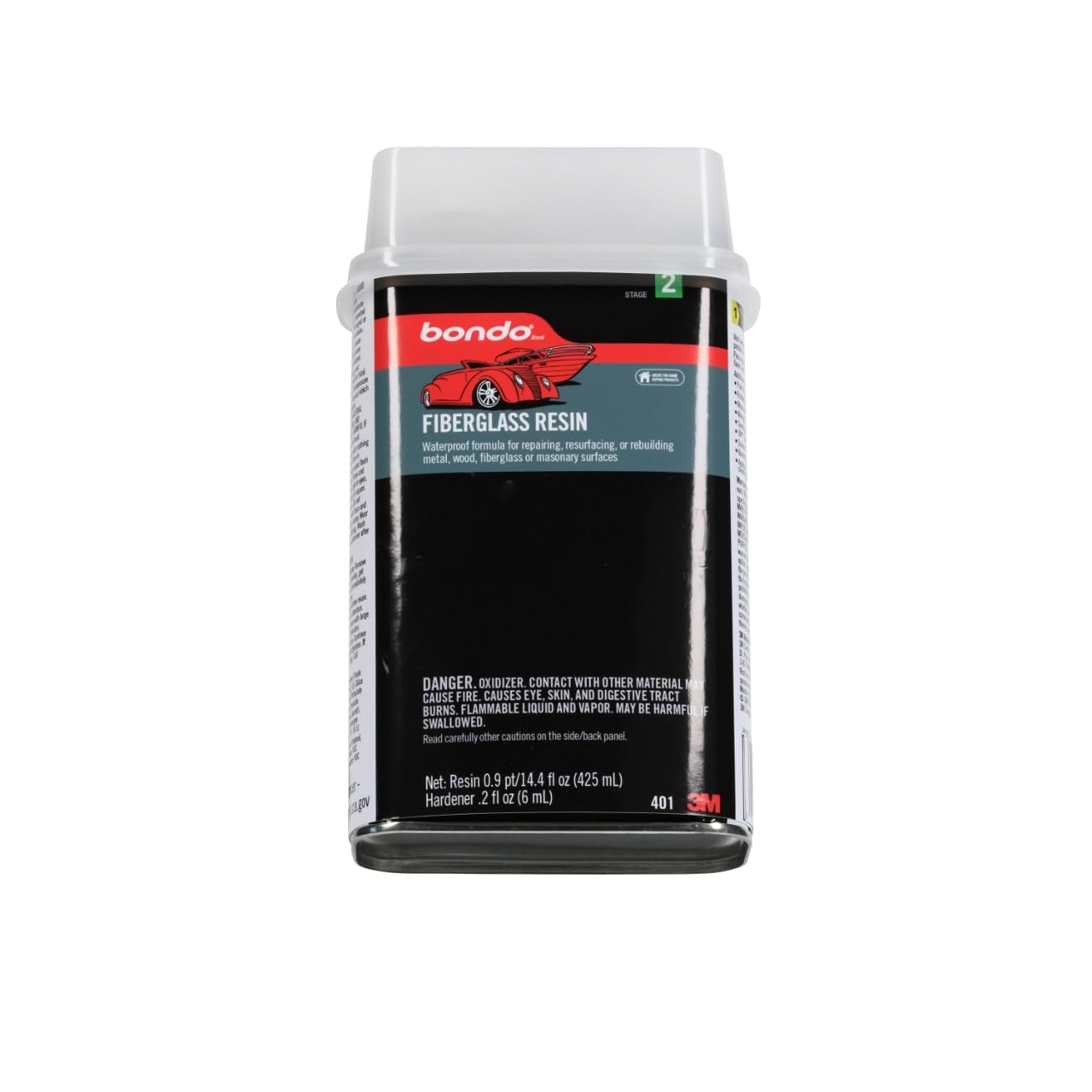
3M 401
$20.32
In stock on Amazon
Check price on AmazonBondo Fiberglass Resin Kit (All-in-One)
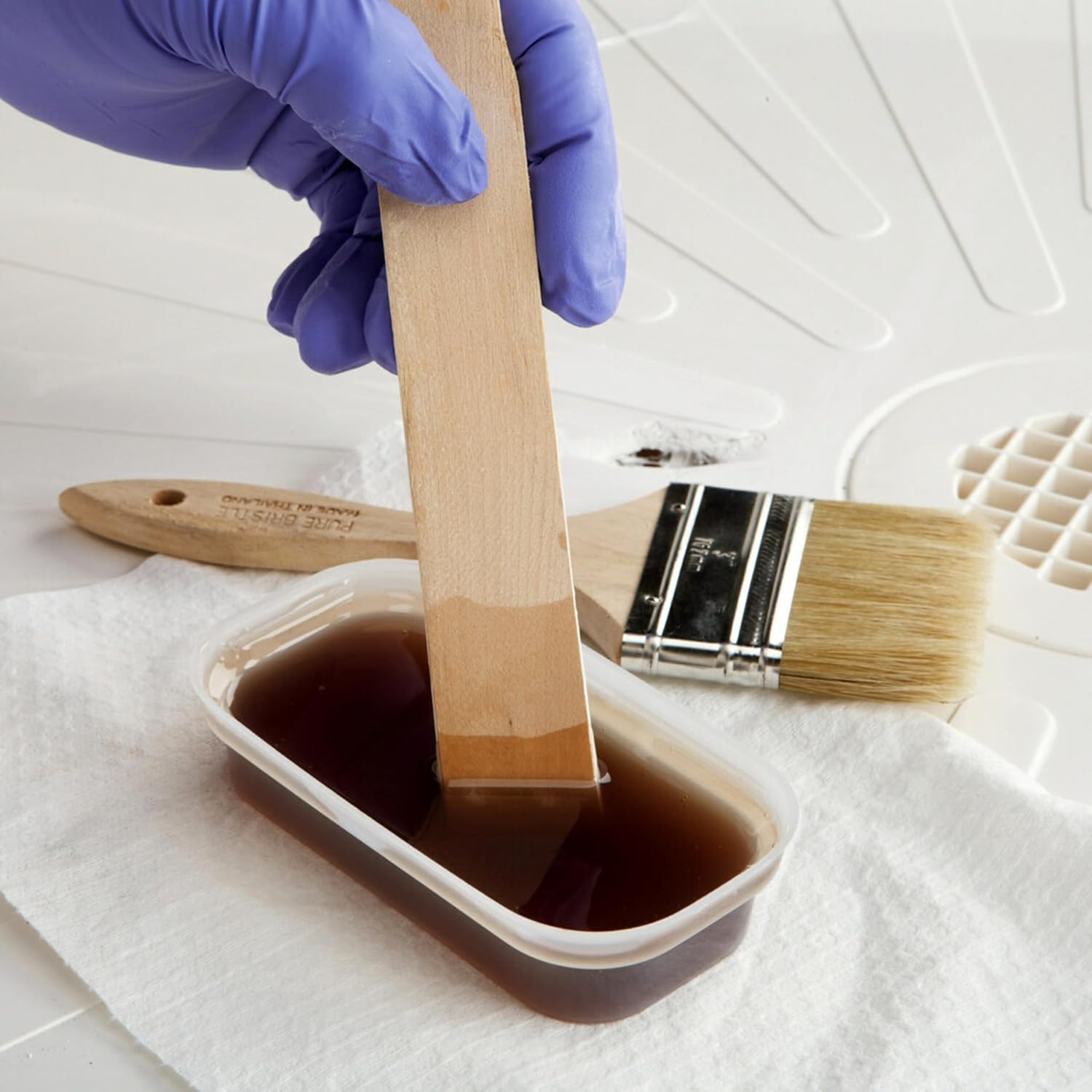
The Bondo kit — typically sold with a can of polyester laminating resin, MEKP (methyl ethyl ketone peroxide) catalyst, a mixing tray, stir stick, application brush, and one piece of fiberglass mat — is the most complete starter kit in this category. Everything needed to execute one small laminate repair is in the box. That’s genuinely useful, especially if you’re not yet stocking a full shop inventory.
The quantity reality check: Reviewers are consistent and specific here. One owner noted patching a 4×6-inch area and having substantial resin remaining — but the included mat piece was nearly fully consumed. The inverse can also be true depending on repair geometry. The practical signal is that the kit is calibrated for very small single patches. If your damage is larger than roughly a sheet of notebook paper, plan to buy additional mat separately and confirm your resin volume before you catalyze anything.
Structural capacity: Bondo’s laminating resin is standard orthophthalic polyester — the same chemistry used in production boat manufacturing. The BoatUS DIY Fiberglass Repair Guide notes that polyester laminate repairs executed correctly — proper surface prep, correct MEKP ratio, full cure — are structurally sound for non-critical panels. The all-in-one kit doesn’t change the chemistry; it limits the volume. Structural repairs in high-load areas (keel attachments, chainplate backing, bulkhead tabbing) warrant proper marine-grade laminate systems with higher glass ratios than this kit provides.
Best fit: First-time builders who need everything in one box for a single small repair. Also a reasonable emergency kit to keep aboard. Not the right product for anything requiring multiple layers over a larger area.
Bondo
$34.25
In stock on Amazon
Check price on AmazonPolymer World Chopped Strand Mat + Polyester Laminating Resin
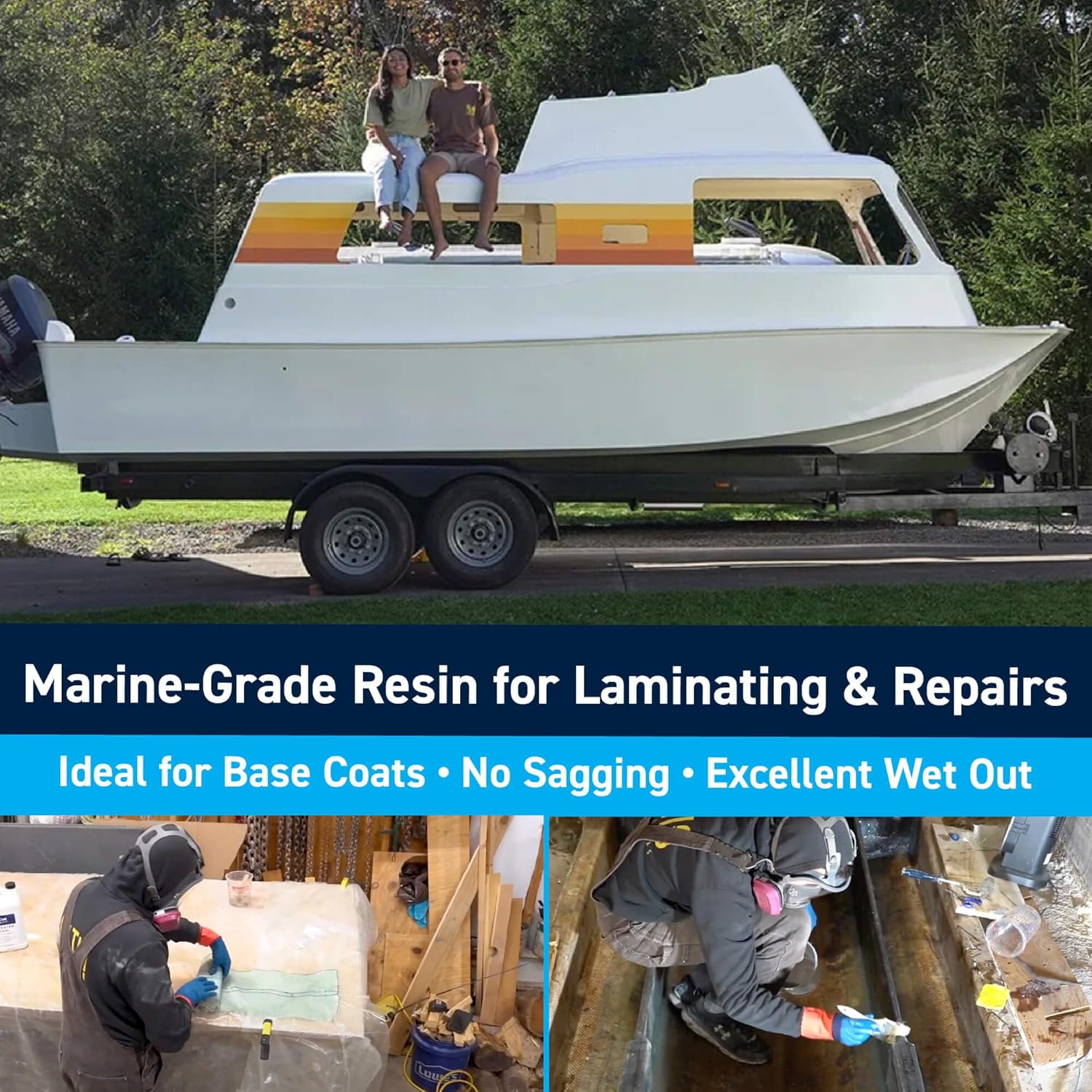
Polymer World’s approach — selling fiberglass mat and resin in bulk quantities rather than as a starter kit — is where you go when the repair is real. Chopped strand mat (CSM) consists of randomly oriented short glass fibers held together with a binder. When saturated with polyester resin, the binder dissolves and the mat conforms to curved surfaces, making it ideal for hull geometry.
The technique insight that actually matters: Owner accounts of Polymer World CSM kits surface one piece of advice repeatedly that isn’t obvious until your first failed layup: have every piece of mat pre-cut and staged before you mix a single drop of resin. Polyester laminating resin with MEKP catalyst begins its gel phase in as little as 15–25 minutes depending on catalyst ratio and ambient temperature. If you’re cutting mat on the fly while the resin kicks, you will lose the layup. Practical Sailor, in its fiberglass repair product evaluations, emphasizes this same point about wet layup timing: prepare the repair zone, cut all material to size, open your resin can — then, and only then, add catalyst and commit.
Layup count for hull patches: Jamestown Distributors Boatbuilder Central documentation on laminate repair specifies that three layers of 1.5 oz/sq ft CSM approximately replaces the stiffness of typical production boat hull laminate for mid-span panel repairs. High-load or impact zones warrant additional layers or a transition to woven roving for interlaminar strength.
Best fit: Any repair requiring material replacement — holes, delaminated areas, soft spots, through-hull relocations, or anything where you’re building laminate thickness from scratch. Also the right path if you’re doing more than one repair in a season; buying mat and resin in volume is substantially more economical per square foot than all-in-one kits.
TotalBoat
$60.46
In stock on Amazon
Check price on AmazonAt a Glance: Which Kit for Which Job
| Product | Repair Type | Odor Level | Best Scenario |
|---|---|---|---|
| J-B Weld Short-Strand Filler | Cosmetic / surface fill | Moderate (lower than Bondo resin per owner accounts) | Blister fill, crazing, surface voids |
| Bondo Resin Kit (all-in-one) | Small laminate patch | High (polyester chemistry) | Single patch under ~30 sq in, first-time user |
| Polymer World CSM + Resin | Structural laminate buildup | High (polyester chemistry) | Any through-damage, multiple layers, volume work |
Frequently Asked Questions
What is the difference between fiberglass filler (short-strand) and fiberglass resin with mat? Filler is a spreadable putty — it fills voids and surfaces, but doesn’t add structural laminate. Resin with mat is a wet layup system that builds real fiberglass structure, layer by layer. Use filler after laminate work is done, not instead of it. Epoxyworks.com’s West System repair techniques documentation addresses this hierarchy directly and is worth reading before you start any structural repair.
How much MEKP catalyst do I mix into polyester laminating resin? Standard guidance from resin manufacturers — and consistent with Jamestown Distributors Boatbuilder Central’s laminate repair documentation — is 1–2% MEKP by volume, roughly 10–20 drops per ounce of resin, with the lower end in warm weather to extend pot life. Always check the specific product’s technical data sheet. Ratios vary slightly by formulation, and if the documentation with your kit is unclear, contact the manufacturer’s technical line directly.
Does J-B Weld fiberglass filler sand as easily as owner accounts claim? Based on aggregated owner reports, the pattern is consistent: reviewers specifically contrast J-B Weld Short-Strand’s sanding behavior favorably against standard Bondo resin, citing it as cleaner and easier to work with dry. Whether that gap is meaningful for your workflow depends on your sanding setup, but the reviewer consensus is specific enough to treat as a real differentiator rather than marketing language.
Can I use the Bondo fiberglass resin kit for a structural repair? Chemically, yes — catalyzed polyester laminating resin is structural. The Bondo kit’s limitation is volume, not chemistry. The included mat quantity constrains you to small patches. For anything requiring structural integrity in a high-load zone, use a proper wet layup system with adequate material volume and, where warranted, vinylester resin for better hydrolytic resistance than standard orthophthalic polyester.
How many layers of chopped strand mat do I need for a hull patch? For typical production boat hull skin repairs, three layers of 1.5 oz CSM is the baseline per Jamestown Distributors Boatbuilder Central laminate repair reference documentation. Taper the edges by feathering each successive layer slightly larger than the one below for load transfer. High-stress areas may warrant additional layers or a switch to woven roving between CSM plies.
Why does polyester resin smell so strong, and what ventilation do I actually need? Polyester resins emit styrene — a volatile organic compound (VOC) with a sharp odor and real respiratory risk with prolonged exposure. Practical Sailor’s fiberglass repair product evaluations consistently note that styrene exposure should be managed with a respirator rated for organic vapors (not a dust mask), active airflow through the work area, and skin protection. Working outdoors or with a fan drawing air away from your face is a minimum standard. In enclosed spaces like bilges or below decks, vapor extraction is not optional.
The Decision Rule
If your damage is surface-only — no missing laminate, no through-hole — start with J-B Weld Short-Strand Filler. The easier sanding and lower odor make it the right daily-driver for blister fill cycles, crazing, and surface preparation before topcoat.
If you’re doing your first laminate patch and want everything in one box for a single small repair, the Bondo all-in-one kit removes the variable of sourcing components separately. Just don’t mistake the quantity limitations for a constraint on the chemistry — the resin is real, and it works.
If the damage goes through the skin, requires more than one or two layers, or if you’re doing multiple repairs across a season, skip the kits entirely and work with Polymer World CSM and laminating resin in volume. Buy more mat than you think you need. Cut everything before you open the catalyst bottle. That single discipline — staging all your material before catalyzing anything — is the difference between a repair that outlasts the boat and one you’re redoing next haul-out.