September 22, 2026 • Carmen Reyes • 9 min reading time • Specs verified June 25, 2026
Fiberglass Repair Resin Ratios and MEKP Catalyst: What First-Timers Get Wrong
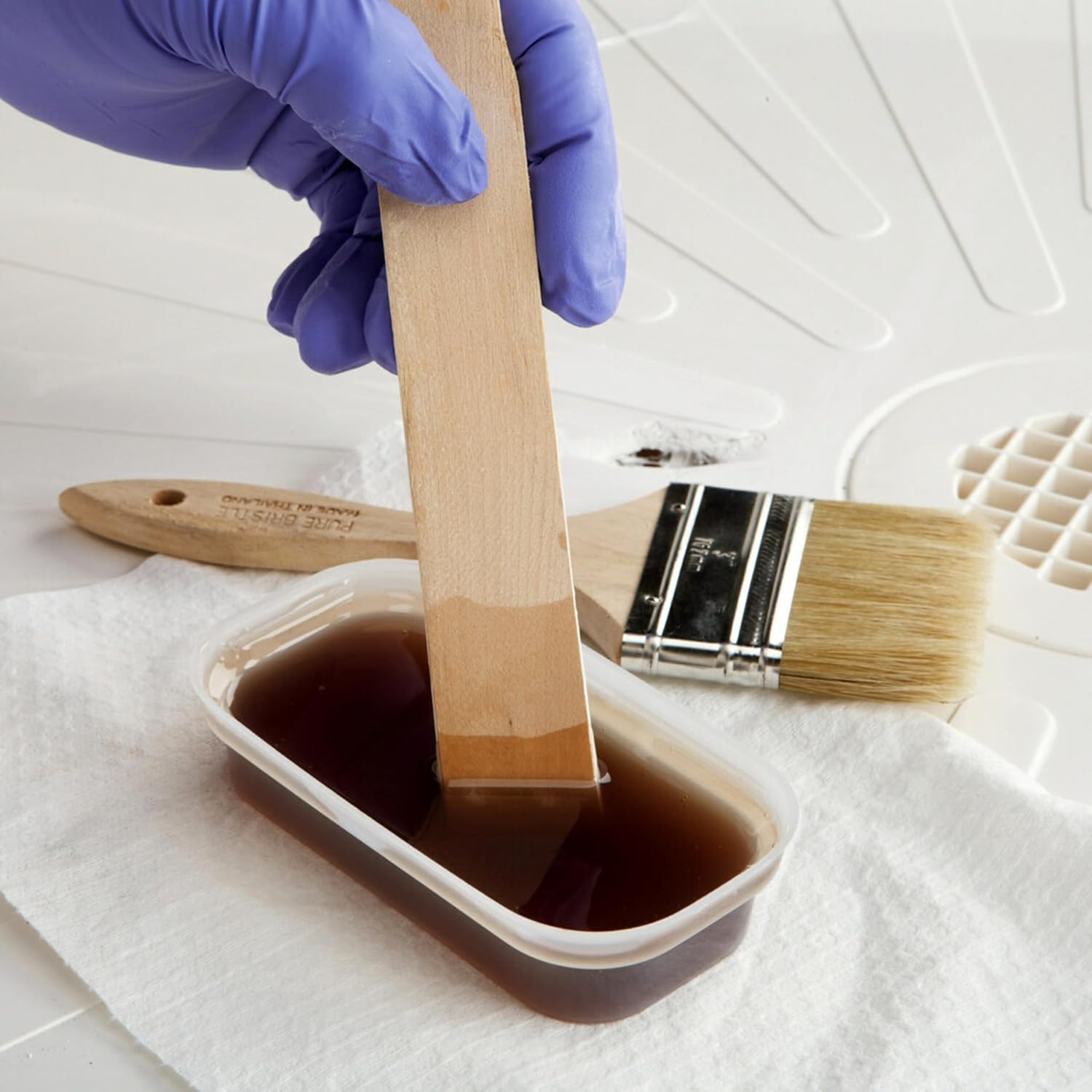
If you’ve ever cracked open a can of polyester resin — the amber, syrupy liquid used to repair fiberglass hulls — and stared at the small bottle of catalyst sitting next to it, wondering exactly how many drops to add, you’ve already found the most common failure point in DIY boat repair. That catalyst is MEKP, short for methyl ethyl ketone peroxide, a liquid hardener that triggers the resin’s chemical curing reaction. Too little, and the resin stays tacky and soft for days. Too much, and it kicks (begins hardening) before you’ve finished wetting out your fiberglass mat, leaving you with a lumpy, incompletely bonded patch. Getting this ratio right isn’t a matter of intuition — it’s a matter of knowing a few variables, doing simple math, and preparing your workspace before you ever crack the cap. This guide walks you through exactly that.
Why MEKP Ratios Confuse Almost Everyone at First
The frustration is understandable. A reviewer of TotalBoat Polyester Laminating Resin put it plainly: the ratio “was a guessing game,” and the included instructions were close to useless. That same reviewer tried reaching out to a YouTube instructor for guidance and was told advice was only available behind a paid subscription. That’s a real and recurring problem in this space — the product gets sold, but the critical application knowledge doesn’t come with it.
Here’s the baseline most manufacturers start from: 1.25% to 1.75% MEKP by volume for general laminating work at moderate temperatures (65–80°F / 18–27°C). For a practical reference:
By the numbers — MEKP drops per ounce of resin (approximate):
- 1% ratio → roughly 6 drops per fluid ounce
- 1.5% ratio → roughly 9 drops per fluid ounce
- 2% ratio → roughly 12 drops per fluid ounce
- Safe working range: 1%–3% (never exceed 3% — exotherm risk increases sharply)
The problem is that “drops” vary by dropper tip, and most resin kits don’t include a calibrated dispenser. Jamestown Distributors’ Boatbuilder Central guide explicitly recommends using a graduated syringe or a small mixing cup with milliliter markings rather than drop-counting — and that single upgrade eliminates most of the guesswork immediately.
The deeper issue is that temperature changes everything. Polyester resin is exothermic, meaning the curing reaction generates heat. In a warm environment, that heat builds faster, accelerating the cure. In cool weather, the reaction slows. MEKP ratio is your primary lever for managing this behavior.
Temperature Adjustments: The Chart Nobody Prints on the Can
Published technical data sheets — including the TotalBoat Polyester Laminating Resin TDS and guidance from epoxyworks.com on polyester catalyst behavior — consistently support the following temperature-adjusted framework:
Cool conditions (below 65°F / 18°C):
Use 2%–2.5% MEKP. Below 60°F, polyester resin may never cure properly regardless of catalyst — most manufacturers set 60°F as the hard lower limit. If you’re working in a cool boatyard in early spring or late fall, a heat lamp or enclosed tent around the work area is worth the setup time.
Moderate conditions (65–80°F / 18–27°C):
Use 1.25%–1.75% MEKP. This is the sweet spot where most published pot life (the window of time you have to work before the resin starts gelling) claims are valid — typically 15–25 minutes for laminating resin in a mixing cup.
Warm to hot conditions (80–90°F+ / 27–32°C+):
Drop to 1%–1.25% MEKP. In direct summer sun, even 1% may feel aggressive. The Polymer World kit reviewer who documented a successful repair credited working in full shade as a primary factor — not just technique, but location. Sun-warmed hull surfaces act as a second heat source that accelerates cure independent of ambient air temperature.
What “kicking too fast” looks like:
The resin starts to gel in the mixing cup while you’re still saturating the first layer of mat. You’ll notice it becoming stringy rather than flowing when you brush it. At this point, the batch is done — do not try to thin it or brush it out. Discard it and mix fresh. Trying to force it results in inadequate wet-out and a structurally weak repair.
Prep Work Is the Real Variable: What Successful Repairers Do First
The Polymer World kit reviewer’s success story is worth revisiting closely, because the technique they describe — pre-cutting all fiberglass mat to size, measuring MEKP into a syringe, staging mixing cups and brushes, then moving to shade — is the standard operating procedure that separates clean repairs from failed ones.
Here’s what that prep sequence looks like in practice:
-
Pre-cut all your fiberglass mat to the shapes you need before mixing anything. Mat (chopped strand mat, or CSM) frays, and cutting it while wet is a miserable exercise that wastes time during your pot life window.
-
Measure your resin volume first. Weigh or measure the exact amount of resin going into the mixing cup. This makes your MEKP calculation precise rather than approximate.
-
Pre-measure your MEKP into a separate syringe or small graduated cup. Don’t add it until you’re ready to mix immediately.
-
Check your surface temperature, not just the air temperature. Use an infrared thermometer if you have one — a hull sitting in morning sun can read 20°F warmer than the ambient air.
-
Mix thoroughly but not aggressively. Stir in the MEKP with a flat mixing stick using consistent figure-8 strokes for 60–90 seconds. Inadequate mixing is a secondary cause of uneven cure.
BoatUS’s DIY fiberglass repair guidance echoes this sequence, noting that surface preparation (cleaning, sanding, and solvent-wiping the repair zone) is equally critical — the best resin-catalyst ratio in the world won’t compensate for contamination under the patch.
Polyester vs. Epoxy: Choosing the Right System for Your Repair
This is a decision point a lot of intermediate practitioners get wrong by defaulting to whichever system they’re most familiar with. The Jamestown Distributors Boatbuilder Central guide lays out the core tradeoff clearly: polyester resin is chemically compatible with existing polyester fiberglass hulls (which describes the vast majority of production boats built since the 1970s), making it the correct choice for most structural hull patches. Epoxy, while a superior adhesive with better mechanical properties in isolation, doesn’t bond as reliably to cured polyester in wet or contaminated conditions, and costs significantly more per application.
If X, then Y — the decision rule:
- Small to medium hull patches on a production fiberglass boat (polyester hull): Use polyester laminating resin. It’s compatible, affordable, and purpose-built for this.
- Above-waterline cosmetic repairs where you want maximum adhesion and moisture resistance: Epoxy is worth considering — its lower water vapor transmission and stronger secondary bonding are real advantages per published spec comparisons.
- Repairs involving wood, foam core, or mixed substrates: Epoxy is the stronger choice across published technical guidance, including epoxyworks.com’s material compatibility documentation.
- Filling and fairing rather than structural lamination: Products like J-B Weld Short-Strand Filler occupy a different category entirely — these are surfacing compounds, not laminating resins. Reviewers consistently note that J-B Weld’s short-strand formulation spreads more easily and sands faster than Bondo-branded fiberglass alternatives, with noticeably lower odor during application. That odor difference matters in an enclosed workspace or a marina slip with neighbors nearby.
On kit sizing: the 105-K epoxy kit is frequently reviewed as containing far more material than a typical Sunfish-scale or small runabout patch actually requires. If you’re patching a single damaged section rather than doing a full lamination project, buying a smaller-volume product is the better call — partial kits can be difficult to seal for storage, and resin shelf life degrades after opening.
Frequently Asked Questions
What is the right MEKP ratio for polyester resin in warm weather versus cool weather?
In cool conditions (below 65°F), use 2%–2.5% MEKP. In moderate conditions (65–80°F), use 1.25%–1.75%. In warm to hot conditions above 80°F, reduce to 1%–1.25%. Never exceed 3% — the exothermic reaction can generate enough heat to crack the laminate or cause a fire in a deep mixing cup.
How do I keep polyester resin from kicking too fast in summer heat?
Reduce your MEKP percentage to the low end of the range (1% or just below), work in shade, and mix only the volume you can apply in 10–12 minutes rather than the full pot life listed on the TDS (which assumes ideal lab conditions). Hull surfaces absorb solar heat that accelerates cure independent of air temperature.
Do I need to pre-cut all my fiberglass mat before mixing the resin?
Yes, without exception. Pre-cutting mat takes five minutes and saves your entire batch. Once you add MEKP and the clock starts, any time spent cutting, measuring, or searching for tools is pot life you can’t recover.
Is J-B Weld Short-Strand Filler actually less smelly than Bondo fiberglass products?
Across aggregated reviewer accounts, yes — the odor difference is consistently noted and appears meaningful enough to affect product preference for enclosed-space use. This likely reflects formulation differences in styrene content, though manufacturer safety data sheets should be checked for your specific lot before working in confined spaces. Neither product is appropriate without ventilation; J-B Weld’s short-strand filler simply generates less complaint about acute odor per reviewer consensus.
When should I use polyester resin instead of epoxy for a fiberglass boat repair?
Use polyester for structural patches on polyester fiberglass hulls — it bonds chemically to the existing laminate in a way epoxy cannot replicate. Use epoxy when adhesion to wood, foam core, or non-polyester substrates is required, or when superior moisture resistance above the waterline justifies the higher cost.
How much fiberglass mat does a typical small hull patch actually require?
A 6-inch diameter repair patch typically requires three to four layers of chopped strand mat, each cut slightly larger than the previous to create a tapered overlap (feathering). For a repair of that scale, a half-yard of 1.5-oz CSM is more than sufficient. Reviewers of larger-format kits consistently note significant material remaining after small repairs — matching kit size to repair scope is one of the clearer ways to control project cost without compromising quality.
The through-line across every successful repair account is the same: the chemistry is forgiving when you control the variables, and the variables are all manageable with five minutes of preparation before you open the catalyst bottle. Know your temperature, measure your MEKP, cut your mat first, and work in shade. The rest follows.