July 26, 2026 • Carmen Reyes • 9 min reading time • Specs verified June 25, 2026
Painting and Repairing Inflatables: Bottom Paint, Topside Coatings, and Hypalon vs. PVC Reality
If you’ve ever hauled your inflatable dinghy — the small, air-filled tender most sailors and powerboaters use to shuttle between an anchored vessel and shore — out of the water for the season and stared at chalky, faded tubes wondering if a coat of paint will buy it another few years, you’re not alone. Inflatables are built from one of two primary materials: Hypalon (a synthetic rubber compound, technically chlorosulfonated polyethylene or CSM, prized for UV and chemical resistance) or PVC (polyvinyl chloride, flexible and affordable but more vulnerable to UV degradation over time). That distinction matters enormously when choosing adhesives, topside coatings, and repair patches — a product that bonds chemically to Hypalon may not stick at all to PVC, and vice versa. This guide walks through material identification, real-world coating options, and the repair system decisions you’ll face, with tradeoffs named explicitly so you can make a confident call on your specific boat.
Step Zero: Know What You’re Working With Before You Buy Anything
This sounds obvious, but Practical Sailor’s coverage of inflatable boat care and repair notes that material misidentification is the single most common source of failed repairs and coating delamination. Owners assume their boat is Hypalon because it’s older or because the original manufacturer had a good reputation, when it’s actually PVC — or the reverse.
How to tell the difference in the field:
- The MEK test (methyl ethyl ketone, a solvent): Apply a small amount of MEK to an inconspicuous area with a cotton swab. PVC will become tacky and slightly dissolve; Hypalon will show little to no reaction. The BoatUS Foundation’s Inflatable Boat Maintenance Guide identifies this as the most reliable field test available to owners without lab equipment.
- The seam look: Hypalon tubes are typically joined with fabric-reinforced overlapping seams that look slightly raised and rough-textured. PVC seams are often heat-welded and appear cleaner, smoother, and more factory-finished.
- The feel: Hypalon feels more like firm rubber; PVC has a slightly plasticky, slippery texture, especially on older boats where plasticizers have begun to migrate to the surface.
Once you’ve confirmed the material, write it on a piece of tape and stick it inside a storage compartment. You’ll be glad you did when you’re standing in a chandlery six months from now.
Topside Coatings: What Actually Adheres, and What Peels Off in a Season
You cannot paint an inflatable the way you paint a fiberglass hull. The tubes flex constantly — every wave, every boarding load, every temperature swing causes micro-movement. Any coating that doesn’t flex with the tube will crack, peel, and look worse than bare oxidized rubber within one season. The comparison below organizes the market into three practical tiers.
Budget Tier: Single-Part Coatings for Low-UV Environments
Boat
$7.99
In stock on Amazon
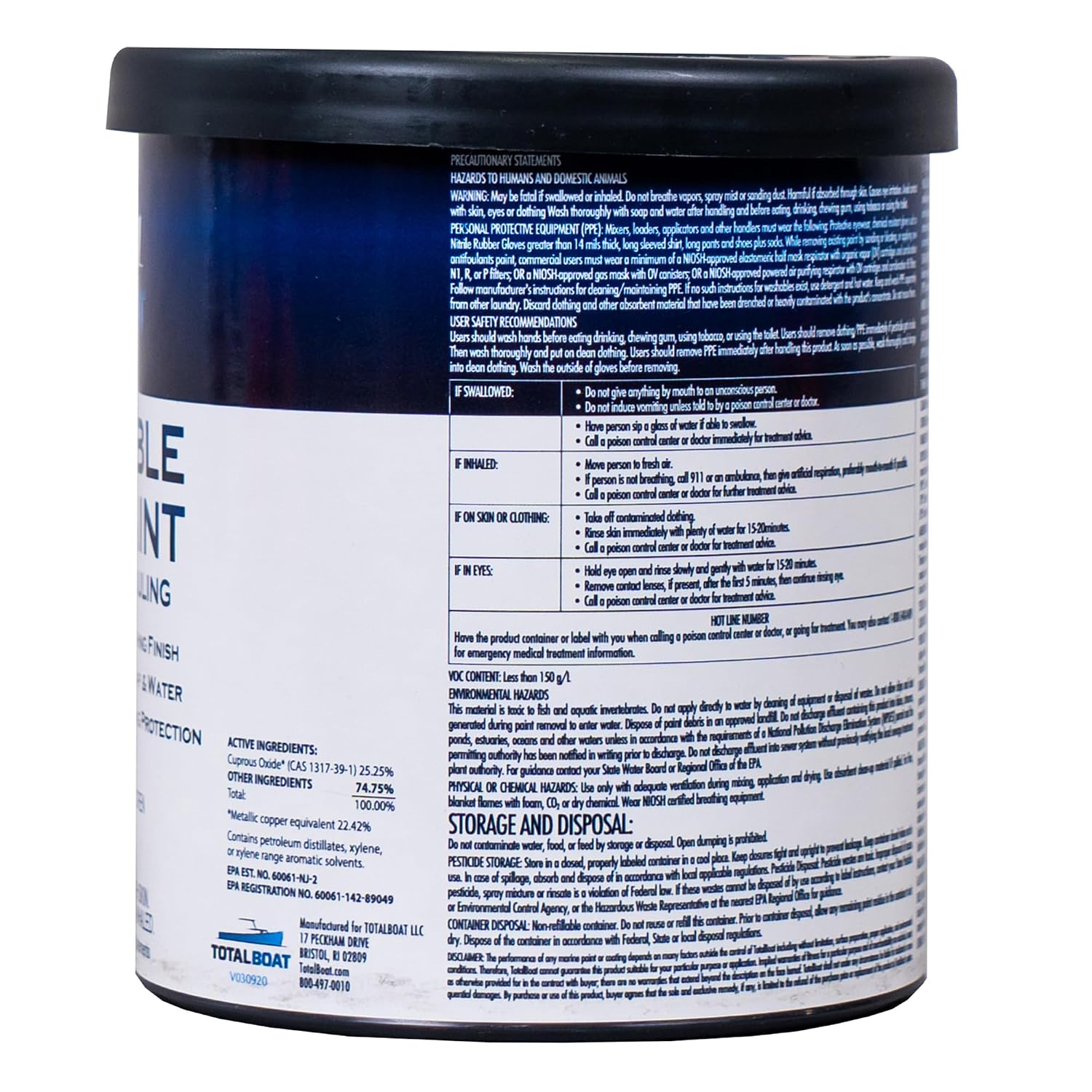
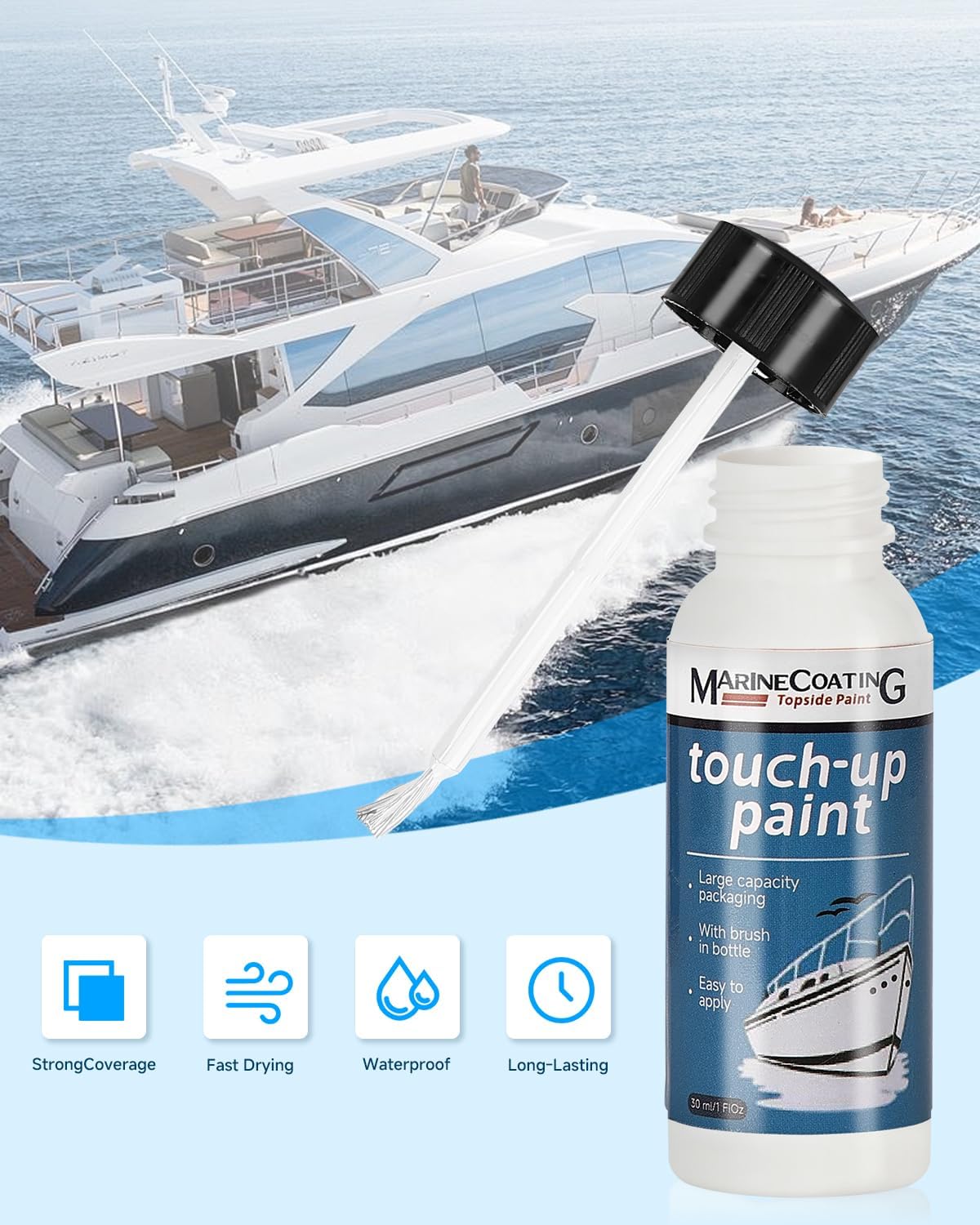
Check price on AmazonSingle-part, solvent-based tube coatings exist for both Hypalon and PVC substrates. For Hypalon, these are typically formulated with a neoprene or CSM base chemistry that bonds to the tube surface rather than merely sitting on top of it. Owners in temperate, lower-UV climates — the Pacific Northwest, northern Europe — report reasonable adhesion over one to two seasons when surface prep is thorough: abrading with 80-grit sandpaper followed by a solvent wipe with MEK or toluene. For PVC, budget single-part options such as Inland Marine’s PVC coating are available; owners report satisfactory adhesion in temperate conditions but accelerated chalking in sustained high-UV environments like the Caribbean or Mediterranean. Practical Sailor’s inflatable care coverage specifically warns against using generic spray paint or standard marine topside enamels on either material — they don’t chemically bond and will peel in sheets.
Typical cost: $30–$50 per liter. Expected adhesion life: 1–2 seasons in moderate UV.
Boat
$7.99
In stock on Amazon
Check price on AmazonMid-Tier: Two-Part Systems for Most Owners
Fasco
$65.99
In stock on Amazon
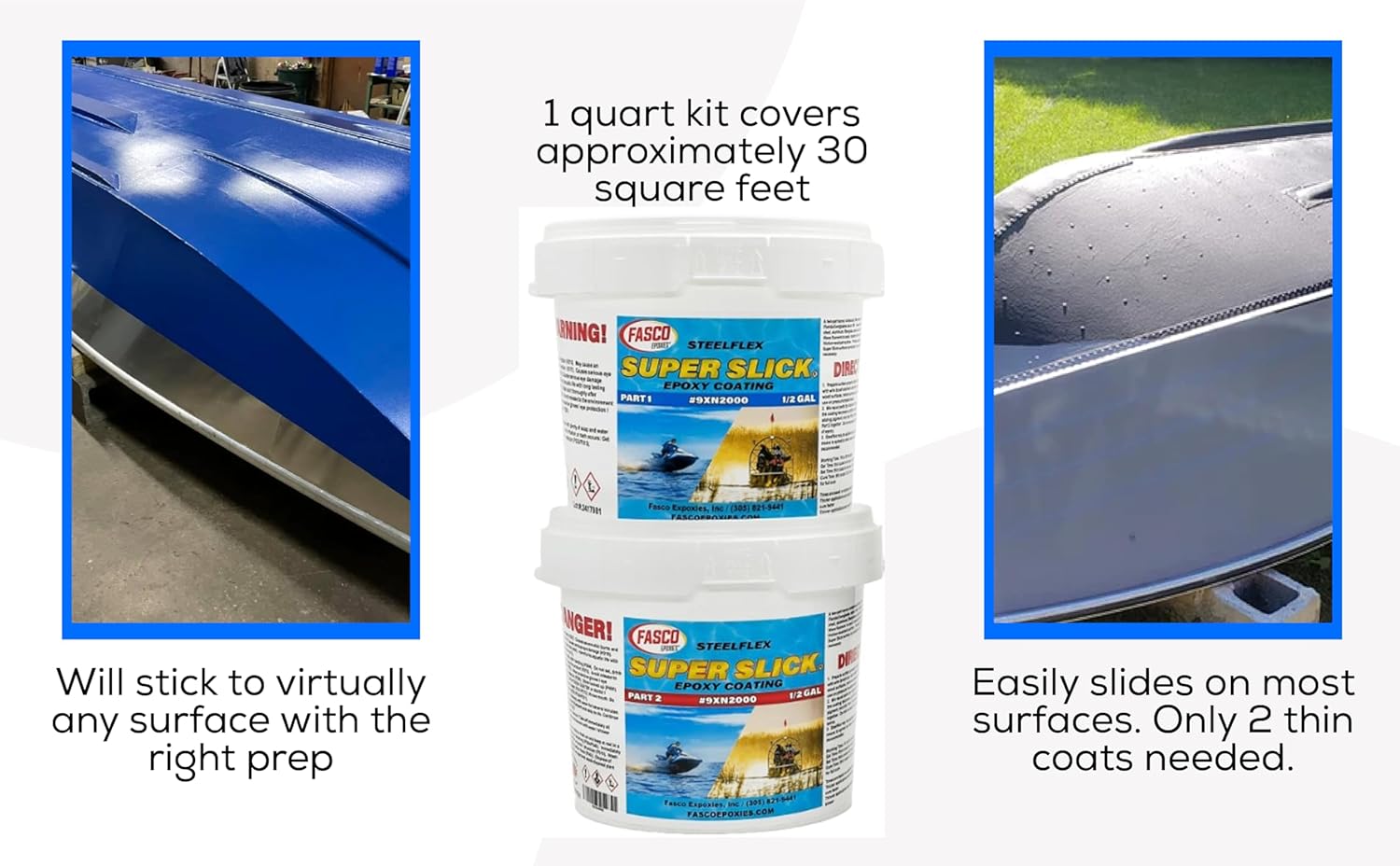
Check price on AmazonFor most owners refurbishing a boat they intend to keep for several more seasons, a two-part coating system is the defensible choice. Cruising World’s dinghy repair and upkeep coverage and aggregated owner reports consistently point to two-part formulations as the performance standard.
For Hypalon tubes: Two-part CSM-compatible coatings — marketed under names like Orca Hypalon Coating and similar regional brands — add a crosslinker component that improves UV stability and flex retention over single-part options. Published technical data sheets from manufacturers in this category typically rate flex retention to -20°C and specify marine UV exposure compatibility. Price runs approximately $60–$90 per liter as of mid-2026 depending on retailer.
For PVC tubes: PVC presents a harder surface-prep challenge because plasticizers migrate outward over time, creating an invisible oily layer that defeats adhesion. The two-part Polymarine PVC Inflatable Paint system is widely referenced in Jamestown Distributors Boatbuilder Central’s inflatable repair product guidance as the benchmark for PVC tube coatings. The cross-linked film it produces reportedly holds through two to three seasons in tropical UV conditions. Per published product data, it’s compatible with all major PVC inflatable manufacturers’ materials.
The critical surface prep for PVC: Wipe down thoroughly with isopropyl alcohol (not MEK — MEK can damage PVC), abrade lightly with 220-grit wet/dry paper, then apply the manufacturer’s specified adhesion promoter or primer. Skip any of these steps and you’re painting over plasticizer migration.
Typical cost: $45–$90 per kit. Expected adhesion life: 2–3 seasons.
Fasco
$65.99
In stock on Amazon
Check price on AmazonPremium Tier: OEM-Sourced and Manufacturer-Specified Systems
TotalBoat
$69.99
In stock on Amazon
Check price on AmazonFor boats approaching a full refit — or for owners who want the highest possible adhesion life and are willing to pay for it — OEM-sourced coatings and adhesives from the original boat manufacturer represent the premium tier. Zodiac, AB Inflatables, and similar manufacturers sell CSM-compatible tube coatings formulated specifically for their own material compositions. These products are more difficult to source outside of direct manufacturer channels or specialty inflatable repair suppliers, and they carry a price premium: expect $90–$140 per liter for genuine OEM tube paint. The advantage is chemical compatibility certainty — you’re using the same base chemistry as the original tube material, sourced from the manufacturer’s own supply chain.
West Marine Inspiration’s inflatable boat care guidance notes that UV protectants applied on a regular maintenance schedule — products like 303 Aerospace Protectant — extend tube life significantly between major coating cycles and are particularly effective on boats that are hauled frequently rather than kept in the water full-time. At this tier, owners typically combine an OEM topcoat with a protectant maintenance protocol rather than relying on coating alone.
Typical cost: $90–$140 per liter for OEM coating; $15–$25 for protectant. Expected adhesion life: 3–4+ seasons.
TotalBoat
$69.99
In stock on Amazon
Check price on AmazonBottom Paint: The Short Answer Is “Usually Don’t”
Most inflatable dinghies don’t benefit from traditional antifouling bottom paint — the biocide-loaded coating applied to hulls to prevent barnacle and marine growth attachment. Several practical reasons make it the wrong call for fabric tubes:
- Inflatables are typically hauled frequently. The mechanical disturbance of dragging across beaches and lifting into davits does much of what bottom paint would otherwise accomplish.
- Most antifouling chemistries are incompatible with tube materials. Hard bottom paints (ablative copper-based systems) require a rigid substrate and crack on flexible tubes. Soft antifouling paints may chemically attack PVC plasticizers.
- The keel and hull bottom on RIBs are a different matter entirely. RIBs — rigid inflatable boats, which combine inflatable tubes with a fiberglass or aluminum rigid hull section — have a hull that can and should be painted with standard marine antifouling if the boat is kept in the water seasonally, using the same systems you’d specify for a fiberglass dinghy hull.
The BoatUS Foundation’s Inflatable Boat Maintenance Guide and West Marine Inspiration’s inflatable care coverage both note that bottom treatment on fabric tubes is better addressed with periodic scrubbing and a UV-resistant tube protectant than with antifouling paint for boats kept on moorings. When in doubt, scrub and protect rather than paint.
Patch Repairs: The Adhesive Decision Is Where Most Projects Fail
Whether you’re patching a slow leak at a seam or addressing abrasion damage on the bow tube, the adhesive selection is binary and unforgiving.
For Hypalon: Use a two-part Hypalon adhesive — typically a contact cement formulation with a separate activator. Clifton Hypalon Adhesive is the product most frequently cited in Practical Sailor’s inflatable repair coverage and Cruising World’s dinghy upkeep guides as the benchmark in this category. The process: apply adhesive to both the patch and the boat surface, allow each to become tacky (typically 10–15 minutes depending on humidity and temperature), then press and roll firmly with a seam roller. Per published manufacturer data, cure time is 24 hours before inflation and 72 hours before full stress loading.
For PVC: Use a PVC-specific two-part adhesive or a single-part contact cement rated for PVC. Polymarine Two-Part PVC Adhesive is the product most frequently cited by owners and in aggregated repair guides referenced in Jamestown Distributors Boatbuilder Central’s inflatable repair content. The same tack-and-press technique applies, but open time is typically shorter than with Hypalon adhesives — work in small sections.
The common and costly mistake: Using Hypalon adhesive on PVC. It won’t chemically bond — it may appear to hold for days or even weeks, then release cleanly at the first stress load. The reverse (PVC adhesive on Hypalon) fails similarly. There is no universal inflatable adhesive that works equally on both materials with full chemical adhesion.
Patch material sourcing: Buy patch fabric from the same supplier as the adhesive — ideally from the boat’s original manufacturer or a dedicated inflatable repair supplier. Mismatched patch material (a PVC patch on a Hypalon boat, for example) will not bond permanently regardless of adhesive used. Jamestown Distributors Boatbuilder Central stocks both Hypalon and PVC repair fabric by the foot for this reason.
The Decision Framework: If X, Then Y
| Situation | Correct System | Approx. Cost (2026) | Expected Life |
|---|---|---|---|
| Hypalon tubes, chalky but sound | CSM-compatible two-part tube coating | $60–$90/liter | 2–4 seasons |
| PVC tubes, surface oxidation | Two-part PVC system + adhesion promoter | $45–$80/kit | 2–3 seasons |
| RIB rigid hull, kept in water | Standard ablative antifouling | $75–$130/quart | 1–2 seasons |
| Fabric tubes, antifouling | Not recommended | — | — |
| Either material, puncture repair | Material-matched two-part adhesive + matched patch fabric | $25–$60/kit | Permanent if cured fully |
If you’re unsure of the material and the MEK test is inconclusive: Default to a PVC system. PVC adhesive and coatings applied to Hypalon will underperform but won’t chemically attack the material; the reverse can cause surface damage. When in doubt, err toward the less aggressive chemistry and confirm material identity before the next refit cycle.
If the PVC is cracked or brittle rather than merely oxidized: Coatings won’t save it. Plasticizer loss at that stage is too far advanced — replacement is the correct answer, not a surface coating.
The inflatable category rewards specificity over optimism. Know your material, match your chemistry, do the surface prep — that’s the job.