September 25, 2026 • Carmen Reyes • 9 min reading time • Specs verified June 25, 2026
Marine Topside Paint on Non-Boat Surfaces: What DIYers Actually Report
Marine Topside Paint on Non-Boat Surfaces: What DIYers Actually Report
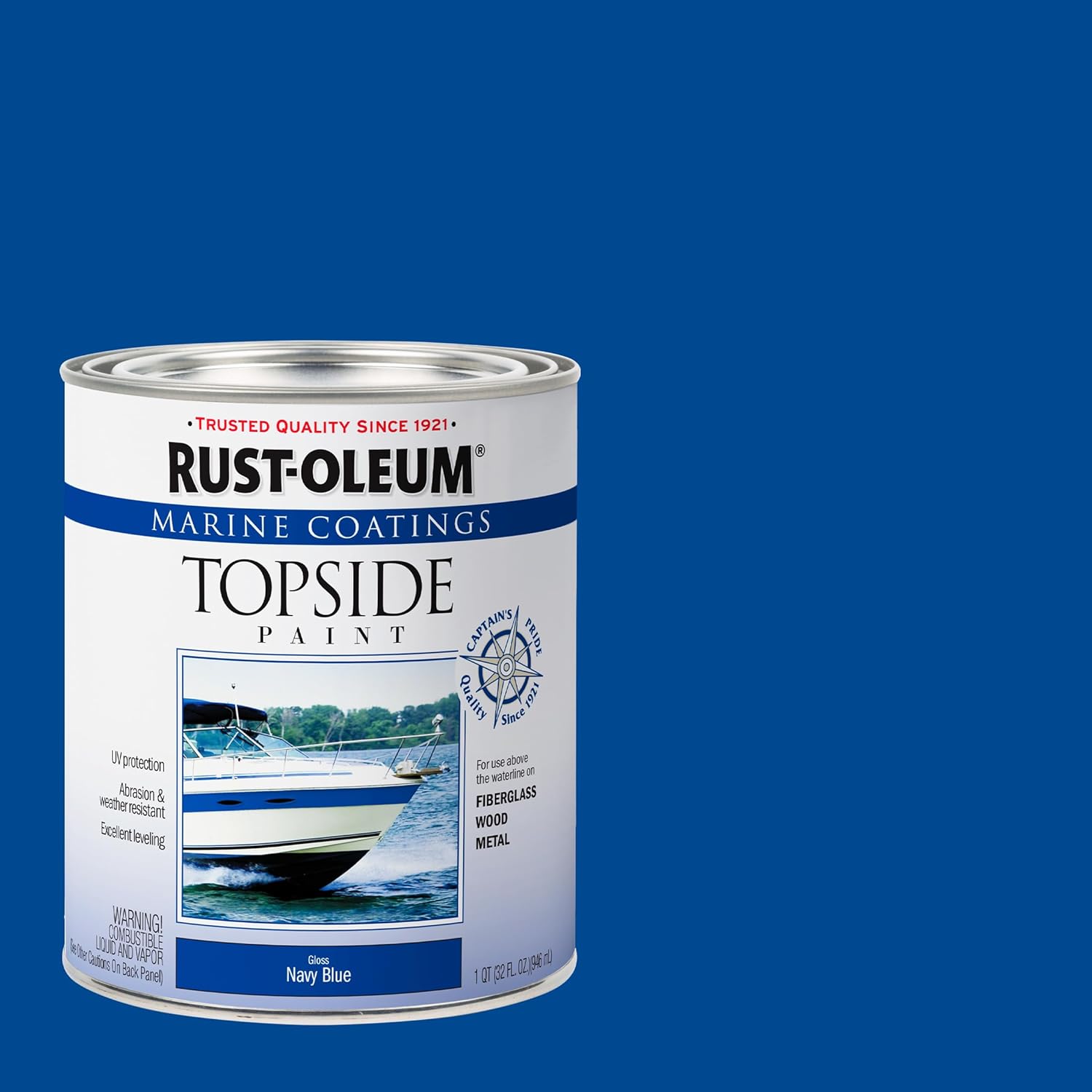
You’re standing in the paint aisle — or more likely scrolling a product listing at 11 p.m. — looking at a can of marine topside paint. “Topside” just means the paint formulated for the above-waterline hull surfaces of a boat: the part that takes sun, saltwater spray, and the occasional dock bump. These paints are engineered for adhesion to fiberglass and wood, UV resistance (ultraviolet light from the sun degrades most coatings quickly), and a hard, glossy finish that sheds water. They cost two to four times what a standard exterior latex runs. And yet, a significant slice of the people buying them have never owned a boat. They’re painting bathroom tile. Adirondack chairs. School bus roofs. Canoes and kayaks. Sometimes it works brilliantly. Sometimes it’s an expensive lesson in surface prep. This article maps out what the off-label crowd actually reports, where the marine-grade premium earns its keep, and the clear decision rule for when you should reach for hardware-store paint instead.
Who’s Actually Buying Marine Topside Paint for Non-Boat Projects (and Why)
The pattern that emerges across aggregated product reviews is consistent: buyers arrive at marine topside paint through one of two doors. The first group is problem-solvers — they’ve had standard exterior paint fail on a high-abuse surface (a canoe hull, a patio table that gets dragged across concrete, a fence exposed to pressure-washing) and they’re looking for something harder. The second group is value-maximizers — they have leftover marine paint from a boat project and figure a fence post or deck chair is a perfectly good second use.
Both instincts are reasonable, and in specific contexts, both pay off. But the aggregate review record, particularly across Rust-Oleum Marine Topside Paint and TotalBoat Wet Edge, surfaces two recurring themes: surface prep is the make-or-break variable, and the wet-slip issue on smooth surfaces catches people completely off guard.
Jamestown Distributors’ Boatbuilder Central editorial notes that topside paints are designed to bond to sanded, primed, or bare gelcoat and wood — not to glossy, contaminated, or previously painted surfaces without mechanical abrasion. That’s not a marine-specific quirk; it’s basic coating science. But it matters more with marine paints because their harder, less-flexible film has less tolerance for adhesion failure than a soft latex.
Surface-by-Surface Breakdown: What Reviewers Report
Canoes, Kayaks, and Small Watercraft
This is the most sensible off-label use, and the review data reflects it. Owners consistently report that Rust-Oleum Marine Topside Paint outperforms standard exterior paint on canoe hulls for abrasion resistance — specifically the kind of scratching that comes from dragging over gravel launches and rocky shores. One commonly cited comparison in aggregated retail reviews pits Rust-Oleum Marine Topside directly against Pettit Easypoxy: reviewers note that Rust-Oleum delivers better scratch resistance in rough-use conditions, but requires more coats for equivalent opacity — typically three thin coats versus two with Easypoxy. Pettit Easypoxy’s published application instructions confirm a recommended spread rate that gives better hide per coat, which tracks with that pattern.
The practical implication: if you’re painting a canoe that lives on a lake and gets dragged regularly, Rust-Oleum Marine Topside is a defensible choice. Budget for three coats and proper sanding between them.
Bathroom Tile
This one surprises people, but it shows up repeatedly in the review record. The setup that owners report working is specific: Rust-Oleum Wood and Fiberglass Primer as the adhesion base, followed by a topside topcoat. One reviewer described applying two coats of the primer with a full two-day cure between each coat before topcoating — the result, in their words, was “beyond expectations.”
Here’s the honest framing: marine primers are formulated for adhesion to non-porous, glossy surfaces like fiberglass — which is chemically similar to glazed ceramic tile. That’s the logic, and it checks out against the Rust-Oleum Wood and Fiberglass Primer TDS, which lists non-porous substrates as an intended application.
The catch — and it’s significant — is that multiple reviewers flagged the primer surface as dangerously slippery when wet. On a boat deck, you’d add non-skid aggregate (silica sand or commercial non-skid additive). On bathroom tile, that’s your wet floor. If you’re attempting this on floor tile, the non-skid conversation is not optional.
Practical Sailor’s DIY topside paint coverage, while focused on marine applications, consistently emphasizes that any topside finish on a horizontal, trafficked surface needs non-skid medium mixed in or broadcast on the final coat. That guidance applies directly here.
Patio Furniture and Adirondack Chairs
Owners report good durability outcomes on wood patio furniture, particularly Adirondack chairs, when using Rust-Oleum Marine Topside over a primed surface. The UV resistance built into marine topside formulations is genuinely relevant here — outdoor furniture takes the same solar punishment as a boat hull. The hard alkyd-urethane film (a coating chemistry combining alkyd resin toughness with urethane flexibility) resists UV yellowing and surface chalking better than most hardware-store exterior enamels.
The tradeoff is prep time and cost. You’re spending more per square foot on a chair than you would with a good exterior enamel, and the prep demands are identical — clean, lightly sand, prime. If you’re already in a boat refurbishing project and have paint left over, this makes sense. If you’re buying marine paint just for patio furniture, the math gets harder to justify (more on that below).
Pressure-Treated Fences
This is where reviewers report more mixed results, and the chemistry explains why. Pressure-treated lumber (wood infused with preservative chemicals, typically copper-based, to resist rot) contains compounds that can interfere with paint adhesion — particularly in newer ACQ-treated (alkaline copper quaternary) wood. The Rust-Oleum Wood and Fiberglass Primer TDS recommends allowing new pressure-treated wood to weather for a minimum of 6–12 months before coating, or using a sealer/conditioner first.
Owners who skipped that step and painted green (freshly treated) pressure-treated wood reported peeling within one season. Owners who waited or used a dedicated wood conditioner first reported results comparable to standard exterior paint — durable, but not dramatically superior to what a quality exterior latex would deliver on the same properly prepared surface.
By the Numbers
| Surface | Coats Reported | Prep Non-Negotiable | Marine Premium Worth It? |
|---|---|---|---|
| Canoe/kayak hull | 3 (Rust-Oleum), 2 (Easypoxy) | Sand + prime | Yes — abrasion resistance is real |
| Bathroom tile | 2 primer + 2 topcoat | Full prime cure; add non-skid | Situational — only if slipperiness addressed |
| Patio furniture | 2–3 topcoat | Sand, prime wood | Only if using leftover marine paint |
| Pressure-treated fence | 2–3 topcoat | Weather wood 6–12 mo. first | Rarely — standard exterior latex performs similarly |
TotalBoat Wet Edge: The First-Timer’s Brush Experience
TotalBoat Wet Edge earns a specific callout because its review pattern is notably distinct from the competition’s. Multiple first-time painters — including at least one canoe owner with zero prior paint experience — describe achieving near-spray results with a brush by following the product’s application instructions closely. TotalBoat’s published Wet Edge product guide emphasizes thin coats, a quality foam roller for the body, and a quality brush tip-off (dragging a dry brush lightly across a rolled surface to eliminate roller stipple texture) as the path to a glassy finish.
The takeaway from aggregated reviews: Wet Edge is more forgiving of beginner application technique than most marine topside products, and that reputation is consistent enough to treat as reliable editorial guidance. If you’re a first-timer painting a canoe or small surface and your goal is a professional-looking finish without spray equipment, Wet Edge is the product the review record points toward. The technique still matters — “follow the instructions” is the universal success condition across reviews — but the formulation appears to have a longer wet edge time (the window before the paint starts to set, during which you can brush without leaving marks) than comparable products.
When the Marine Paint Premium Actually Makes Sense Off-Label
Here’s the decision frame, stated plainly:
Marine topside paint earns its premium off-label when:
- The surface takes physical abrasion (canoe hulls, kayak keels, dinghy bottoms)
- UV exposure is severe and you need a coating engineered specifically for it
- You already have marine paint open from a boat project and a compatible substrate handy
Standard exterior paint is the smarter call when:
- The surface is a pressure-treated fence or wood structure with no special abrasion demands
- You’re working on a large area where the per-square-foot cost difference is significant
- The surface flexibility requirements exceed what a hard marine film tolerates (some wood surfaces move seasonally)
The cost differential is real. A quart of Rust-Oleum Marine Topside Paint covers roughly 100–125 square feet per coat. A comparable quart of a quality exterior alkyd enamel covers similar area at a fraction of the price. For a 10-square-foot canoe repair, that math favors the marine paint for its durability. For a 300-square-foot fence, the math rarely does.
Frequently Asked Questions
Can you use marine topside paint on bathroom tile with the right primer? Owners report success specifically with Rust-Oleum Wood and Fiberglass Primer as the adhesion base, allowed to cure fully between coats. The chemistry is sound — marine primers are designed for non-porous, glossy substrates like glazed tile. The critical asterisk: the primed surface is slippery when wet. Any floor tile application requires a non-skid additive mixed into the final coat. Wall tile is lower risk for the slip issue.
How many coats does Rust-Oleum Marine Topside actually need for full coverage? Reviewers consistently report three thin coats for full opacity, particularly over dark or contrasting base colors. The Rust-Oleum TDS specifies 2–3 coats depending on surface color and application method. Budget for three.
Is marine paint more abrasion-resistant than standard exterior paint for canoes and kayaks? Based on published formulation specs and consistent owner reports comparing marine topside to standard exterior paint, yes — the harder alkyd-urethane film in marine topside products resists scratching from rock and gravel contact better than a standard exterior latex. The Practical Sailor topside paint coverage corroborates that marine-grade hard films outperform exterior latex on abrasion metrics.
Does the Rust-Oleum Wood and Fiberglass Primer work on pressure-treated or green wood? The Rust-Oleum Wood and Fiberglass Primer TDS recommends allowing new pressure-treated wood to weather 6–12 months before coating. Green (freshly treated) wood contains moisture and preservative compounds that impair adhesion. Owners who ignored this reported peeling. Wait, or use a dedicated wood conditioner first.
Is TotalBoat Wet Edge genuinely brushable to a near-spray finish for a first-timer? The aggregate review pattern says yes, conditionally. The condition is following the tip-off technique (thin coats, foam roller body, brush tip-off while wet) that TotalBoat’s published guide specifies. Owners who followed the instructions report near-spray results. Owners who applied it thickly or skipped the tip-off report brush marks. Technique is the variable.
When does the cost of marine paint make sense for a non-boat project? When the surface takes physical abuse that standard exterior paint fails on (canoe hulls, high-impact surfaces), when you have leftover marine paint from a boat project, or when UV degradation is severe and you need the formulated resistance. For low-abuse surfaces like fences and furniture where standard exterior paint doesn’t routinely fail, the price premium rarely pencils out.