August 29, 2026 • Carmen Reyes • 10 min reading time • Specs verified June 25, 2026
Topside Paint for a Real Refit: Awlgrip, Pettit, Rust-Oleum, and TotalBoat Wet Edge Compared
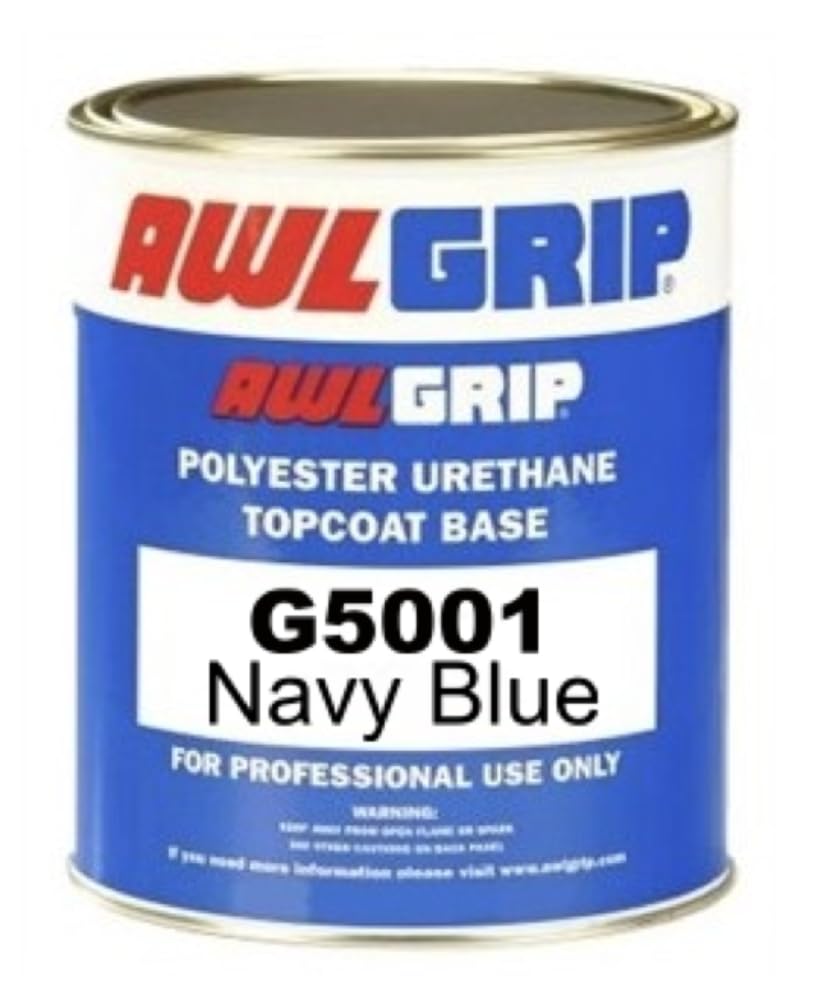
You’ve been staring at the same chalky, oxidized topsides — the painted sides of your hull above the waterline — for two seasons, and you’ve finally committed to doing the job right. A proper topside repaint isn’t a weekend touch-up. It’s one of the highest-visibility investments in a refit, and the paint system you choose determines how the boat looks, how long the finish lasts, and how much prep and skill the application actually demands. The market gives you a wide spread of options, from budget-friendly single-part enamels to professional two-part polyurethane systems that rival automotive finishes. This guide compares four systems that come up consistently in real refit conversations — Awlgrip HDT, Pettit Flagship, Rust-Oleum Marine Topside Paint, and TotalBoat Wet Edge — with enough specificity to make a confident purchasing decision before you pick up a roller.
If you’ve already prepped a hull, stripped oxidized gelcoat (the factory-applied resin surface layer on most fiberglass boats), or worked through a primer coat, you’re ready for this conversation. If you’re still sorting out whether you need a barrier coat first, start with surface prep. This article assumes you’re arriving at the paint-selection decision with a fair hull already under you.
What You’re Actually Comparing (And What to Ignore)
Before running the product matrix, it helps to know which variables actually drive outcomes in real refit conditions.
Sheen and gloss retention is the obvious one — how mirror-bright does the finish look on day one, and how does it hold up over three seasons of UV, salt spray, and dock rash? This is where two-part linear polyurethanes (LPUs — paints that chemically crosslink with a separate hardener for maximum toughness) separate cleanly from single-part systems that cure through solvent evaporation.
Application method matters more than most product marketing lets on. Brushing and rolling, rolling and tipping (rolling paint on, then lightly dragging a dry foam brush across the surface to level it), and spraying all produce different finish qualities even with the same paint. Some systems are engineered for spray-only application at the professional level; others are genuinely DIY-forgiving with a brush and roller.
Surface tolerance is the difference between a system that requires a surgically clean, perfectly primed substrate and one that can forgive a moderately imperfect prep. Owners pushing through a first major refit, or working in a boatyard with variable humidity and temperature, care about this a great deal.
Price per coverage area is more honest than price per gallon. High-solids professional systems cover more area per coat and go on thinner, so a $300 gallon may yield better real-world economics than a $60 gallon applied at twice the film thickness.
The Four Systems: Tradeoffs Laid Out
Awlgrip HDT / Awlgrip Topcoat (Two-Part LPU)
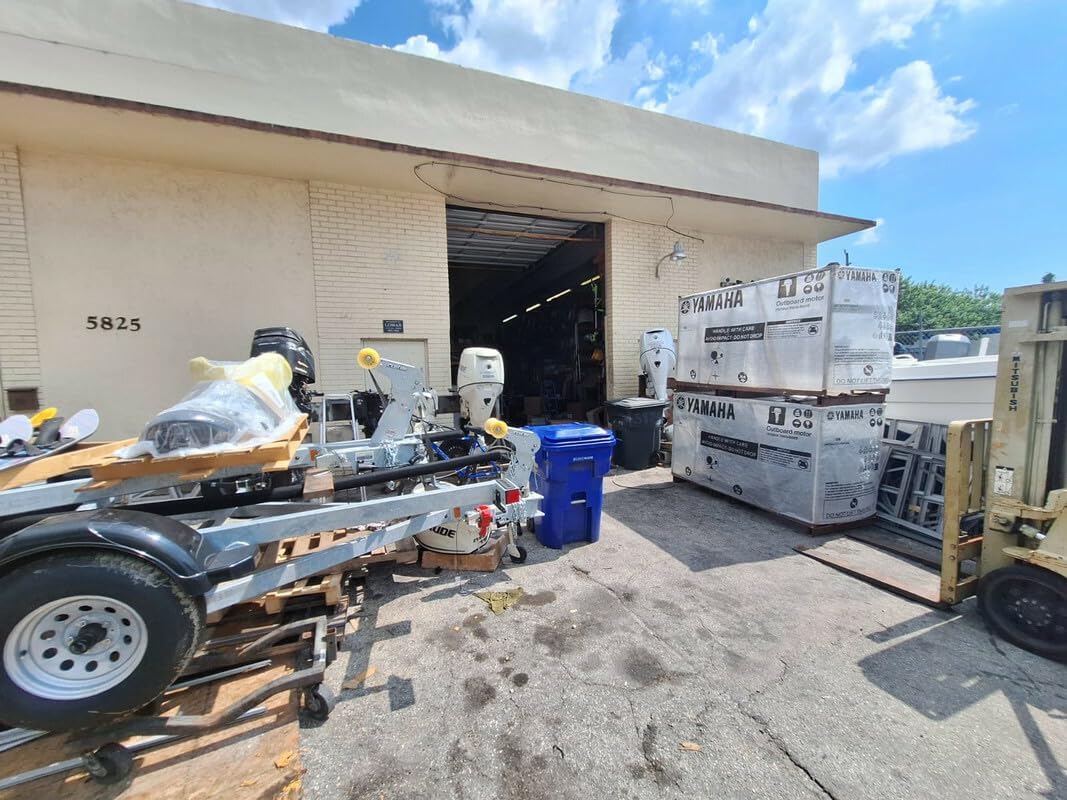
Awlgrip is the reference standard for two-part polyurethane in the offshore and bluewater cruising world. AkzoNobel Marine Coatings publishes detailed application instructions in the Awlgrip Application Guide, Document AG-002, which specifies that the system is engineered for spray application first, with brushing and rolling producing results the manufacturer describes as acceptable but not equivalent to a spray finish. Practical Sailor’s multi-issue topside paint shootout series consistently places Awlgrip at the top for long-term gloss retention, with owners reporting the finish holding up to UV and abrasion noticeably better than single-part alternatives over a three-to-five year window.
The tradeoffs are real. Awlgrip is unforgiving about surface prep: any contamination, incompatible primer, or moisture in the substrate introduces adhesion failures that are expensive to correct. The two-part mix carries a limited pot life — the working window after mixing hardener with the base coat, typically two to four hours depending on ambient temperature — and application by rolling and tipping requires either experience or a steep learning curve. Per the AG-002 application guide, coverage runs approximately 400–500 square feet per gallon at recommended film thickness.
Price range (2026 retail): $400–$600 per gallon at West Marine and Defender pricing tiers.
This is the system you specify when the boat is worth protecting with the best available finish, you have the prep done correctly, and you’re either spraying it yourself or hiring a yard to do so. The prep discipline it demands is the price of admission for a finish that genuinely holds up offshore.
Awlgrip
$124.99
In stock on Amazon
Check price on AmazonPettit Flagship (Two-Part LPU)
Pettit’s Flagship polyurethane sits in the same two-part LPU category as Awlgrip and is frequently positioned as a more accessible alternative for owner-applicators. International Paints publishes the Pettit Flagship Two-Part Polyurethane Product Data Sheet, which indicates that Flagship is specifically formulated to produce a high-gloss finish via rolling and tipping, making it a more realistic DIY proposition than Awlgrip for owners working without spray equipment.
Practical Sailor’s topside paint testing series has ranked Flagship as a strong mid-tier performer. Gloss retention and hardness don’t quite match Awlgrip over the long run, but for a three-season finish on a well-prepped surface, the gap is narrower than the price difference suggests. Owners who have used the rolling-and-tipping method report a forgiving wet edge and reasonable recoat windows that reduce the penalty for working on larger hull panels.
Coverage is comparable to Awlgrip at approximately 400 square feet per gallon. The system still requires proper primer compatibility and a clean surface — it is not a works-on-anything product — but it tolerates a less-than-perfect application environment more gracefully than the Awlgrip system does in practice.
Price range (2026 retail): $280–$380 per gallon across West Marine, Jamestown Distributors, and Defender.
If the math on Awlgrip doesn’t work for the budget and you still want a legitimate two-part finish, Flagship is the honest recommendation for the serious owner-refitter doing their own rolling and tipping.
Rust-Oleum
$27.99
In stock on Amazon
Check price on AmazonTotalBoat Wet Edge (Single-Part Modified Alkyd-Urethane)
TotalBoat Wet Edge occupies an interesting middle position. It’s a single-part system — no hardener to mix, no pot life to manage — but TotalBoat formulates it as a step above conventional single-part alkyds, with a modified urethane formula designed to produce smoother flow-out and better UV resistance than basic boat enamel.
Jamestown Distributors’ Boatbuilder Central resource library hosts the TotalBoat Wet Edge Technical Data Sheet, which rates coverage at approximately 300–400 square feet per gallon. The lower solids content relative to two-part systems means a thinner film per coat, which typically translates to a finish that requires more frequent maintenance repainting over the long run.
Where Wet Edge earns its place is in application tolerance. Owners report that it brushes cleanly, tips well, and holds its wet edge long enough to allow rolling and tipping on larger hull panels without lap marks. BoatUS, in its guide “DIY Painting Your Boat’s Topsides,” identifies single-part modified urethanes as appropriate for owner-applicators doing their first full topside job while building technique. The gloss is respectable on day one. Owners in high-UV regions consistently note that chalking begins earlier than with two-part systems — typically after two seasons of hard use — but the lower initial cost makes repainting a less daunting proposition.
Price range (2026 retail): $140–$200 per gallon.
This is the right system if you’re repainting a boat still in regular use and not in its final cosmetic state, or if you’re building painting skill before committing to a two-part system with its higher prep demands and cost consequences for mistakes.
Rust-Oleum
$27.99
In stock on Amazon
Check price on AmazonRust-Oleum Marine Topside Paint (Single-Part Alkyd)
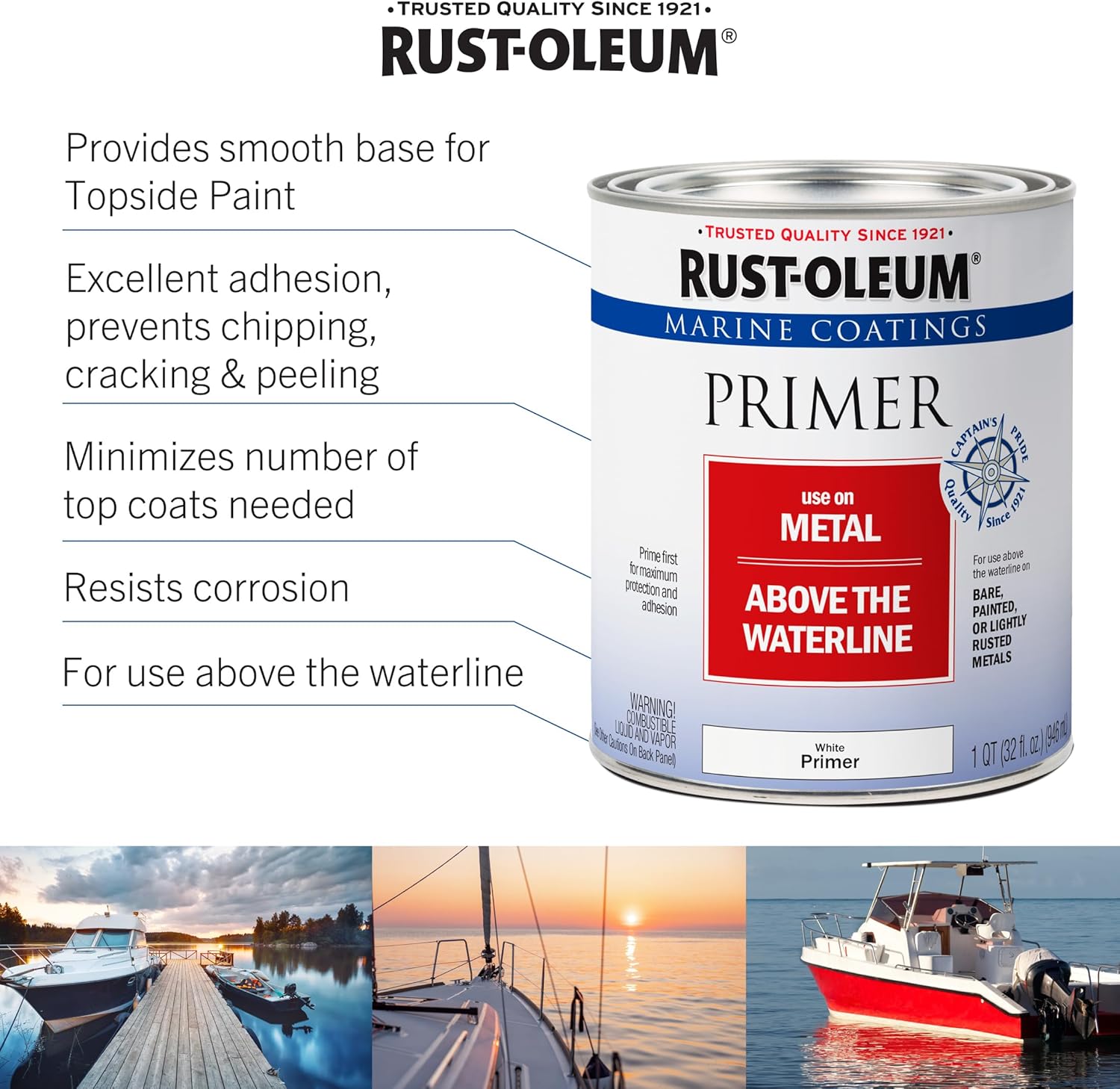
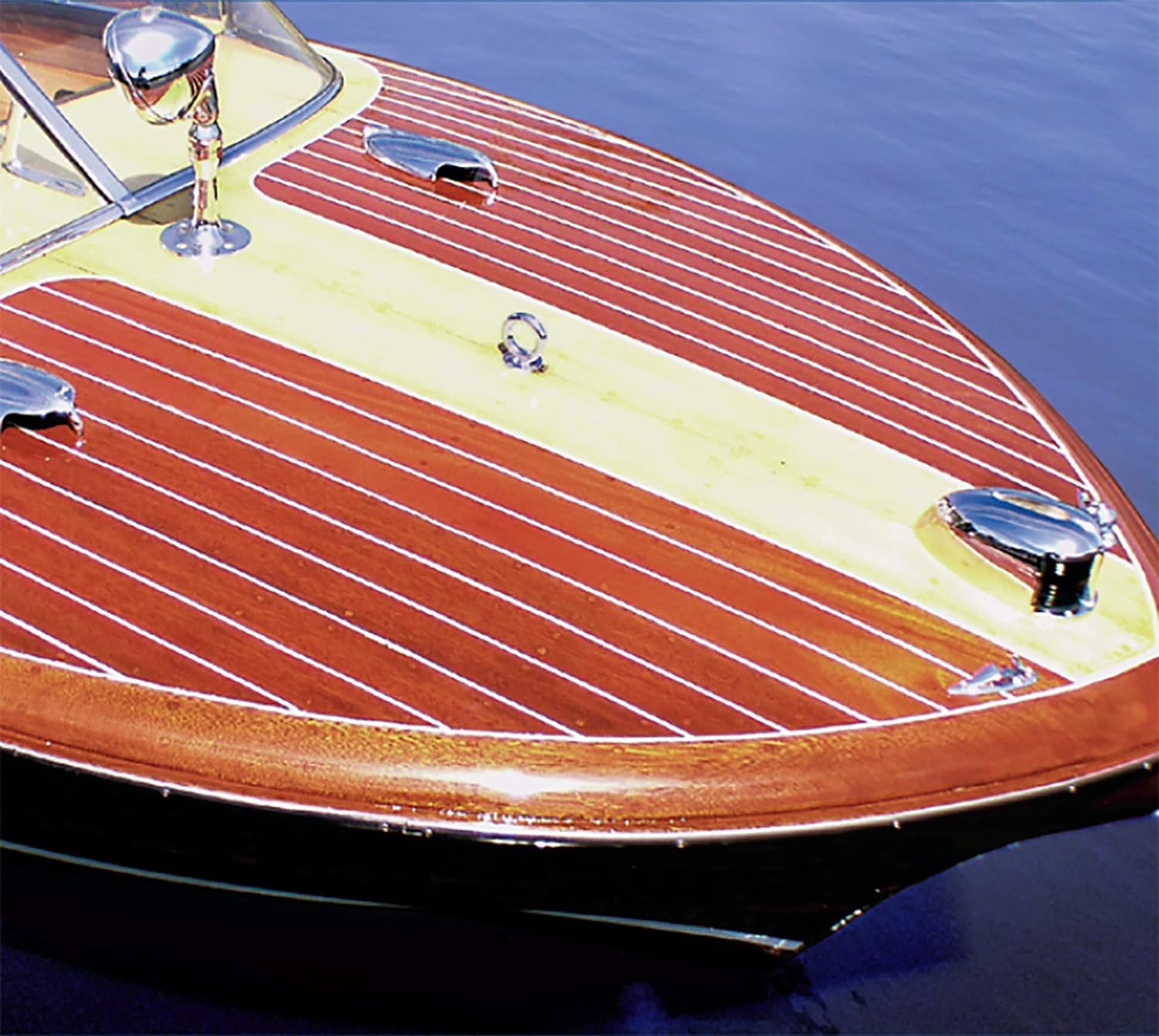
Rust-Oleum’s marine line is the entry-point system in this comparison, and it’s worth naming that directly without dismissing it. WoodenBoat Magazine, in its practical overview of painting fiberglass hulls, notes that alkyd-based marine paints — oil-modified single-part systems — are appropriate for cosmetic maintenance coats, tender boats, trailer boats, and projects where longevity expectations are one to two seasons rather than three to five.
Coverage runs approximately 200–300 square feet per gallon per published specification data, and the lower-solids formula means film build accumulates slowly across coats. The finish is easy to apply: Rust-Oleum’s marine formula rolls on cleanly and sands easily for subsequent coats. The price puts it within reach for any project. Owners use it successfully on small craft, on painted wood topsides that see frequent touch-ups regardless, and as a temporary cosmetic improvement while planning a full system repaint.
Price range (2026 retail): $60–$90 per gallon at West Marine, Home Depot marine sections, and general retail.
It is not the right system for a serious offshore refit or a boat you want looking sharp in five years. It is the right system if the budget ceiling is firm, the boat is small, or you’re painting a surface that will be repainted again within two seasons anyway. Matching the tool to the actual job is not a compromise — it’s good judgment.
Rust-Oleum
$18.52
In stock on Amazon
Check price on AmazonBy the Numbers
| System | Type | Price/gal (approx. 2026) | Coverage/gal | DIY Friendliness | Expected Finish Life |
|---|---|---|---|---|---|
| Awlgrip HDT Awlgrip — $124.99 | 2-part LPU | $400–$600 | 400–500 sq ft | Low (spray preferred) | 5–7+ years |
| Pettit Flagship Rust-Oleum — $27.99 | 2-part LPU | $280–$380 | ~400 sq ft | Moderate (roll & tip capable) | 3–5 years |
| TotalBoat Wet Edge Rust-Oleum — $27.99 | 1-part modified urethane | $140–$200 | 300–400 sq ft | High | 2–3 years |
| Rust-Oleum Marine Rust-Oleum — $18.52 | 1-part alkyd | $60–$90 | 200–300 sq ft | Very high | 1–2 years |
Pricing reflects West Marine, Jamestown Distributors, and Defender retail averages, May 2026.
The Decision Rule: If X, Then Y
Here’s how to resolve the choice without overthinking it.
If the boat is a 30-foot-plus offshore or bluewater vessel, you’re doing a full refit, and you have access to spray equipment or a yard application: Awlgrip is the specification. Budget $800–$1,500 or more for paint materials on a 35-foot hull, and do not try to shortcut the primer system. The prep discipline the product demands is the price of admission for a finish that holds up offshore.
If you’re doing your own rolling and tipping on a 25-to-40-foot hull and want a legitimate two-part finish without spray complexity: Pettit Flagship is the practical call. You’re trading some long-run gloss retention for a finish you can realistically apply yourself to a high standard. Budget $500–$900 for paint materials on a typical mid-size hull.
If you’re repainting a boat still in active use, building skill, or want a solid finish you know you’ll redo in two to three seasons: TotalBoat Wet Edge is the honest recommendation for this tier. It performs well relative to its price, tolerates application imperfection, and delivers a finish that is genuinely respectable without locking you into a system you’re not ready to execute at full quality.
If the boat is small (under 20 feet), a tender, a trailer boat, or a project where annual maintenance touch-ups are already part of the plan: Rust-Oleum Marine is a completely appropriate tool for the job.
One flag worth naming regardless of which system you choose: every product in this comparison performs better than its published specs suggest when surface prep is right, and worse than reviewers describe when it isn’t. Practical Sailor’s topside paint analysis series consistently identifies surface preparation as the largest single variable in real-world finish outcomes — more influential than which paint you select within the same tier. If the budget is tight, put the money into proper primer, proper fairing, and proper cleaning before you spend it moving up a paint tier.
The paint you can apply correctly will always outperform the paint you can’t.