July 16, 2026 • Carmen Reyes • 10 min reading time • Specs verified June 25, 2026
Spar Varnish vs. Penetrating Epoxy Sealer: The Right Topcoat for Exposed Boat Wood
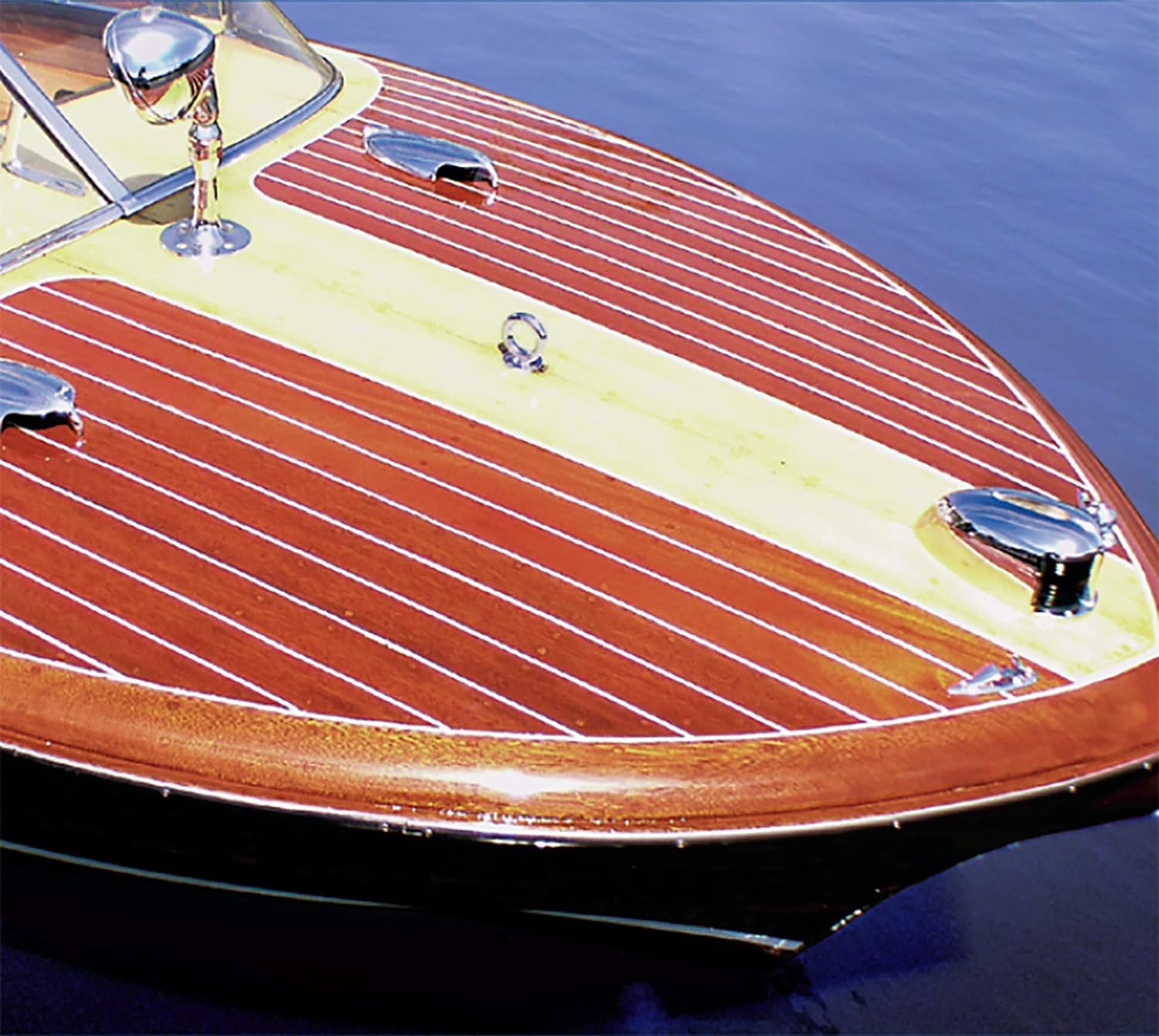
You’re standing on the dock staring at a section of cap rail — the decorative wood trim that runs along the top edge of your hull — that’s gone chalky on the surface in one spot and suspiciously soft underfoot in another. Two products keep coming up in your research: spar varnish (a UV-resistant, flexible topcoat finish that sits on the wood surface) and penetrating epoxy sealer (a low-viscosity resin that soaks into degraded wood cells to consolidate them). They solve different problems, and using the wrong one first can mean stripping everything back and starting over. This article breaks down what each product is actually designed to do, where each one wins, where each one fails, and how to read your specific situation to make the right call — including how to stack them together when your wood needs both rescue and long-term protection.
What Each Product Is Actually Doing to Your Wood
The fundamental confusion between these two products comes from treating them as competitors when they operate at completely different layers of the wood.
Spar varnish is a film-forming finish. It builds a protective layer above the wood surface — typically an alkyd- or polyurethane-modified oil base with UV absorbers and enough flexibility to move with wood’s seasonal expansion and contraction. “Spar” historically referred to mast and boom spars, which flex and face constant UV, moisture, and salt spray. A quality marine spar varnish delivers the glossy, amber-toned finish you associate with brightwork — varnished wood trim on a boat. According to Practical Sailor’s long-term brightwork comparisons, spar varnish performance in harsh UV environments typically requires seasonal maintenance coats to prevent film failure, and the primary mode of breakdown in marine environments is film adhesion failure on degraded or improperly prepared substrate.
Penetrating epoxy sealer does something categorically different. Products in this class use a very thin, low-viscosity two-part epoxy (resin plus hardener) formulated to wick into open wood grain, degraded fibers, and early-stage rot cavities by capillary action. Once it cures, it fills voids in the wood structure and bonds wood fibers together. The goal is consolidation and stabilization — not a surface film. Per Jamestown Distributors Boatbuilder Central’s guidance on penetrating epoxy use, this class of product is appropriate for wood that still has structural integrity but has lost density due to moisture intrusion and early decay. It does not rebuild material that is truly gone.
One useful framing note from field accounts: penetrating epoxy sealer is often described as a commercial-grade product with a meaningful learning curve in mixing and application. That’s important context — it performs well in exposed-wood rehabilitation, but marine-specific long-term durability in saltwater environments requires careful attention to manufacturer specifications and temperature guidelines during application.
The Decision Frame: Surface Problem or Structural Problem?
Before you open either can, you need to honestly diagnose what you’re dealing with. This is where most applicators go wrong.
If your wood is sound but weathered — the grain is raised, the surface is gray or chalky, but it’s still hard and dense when you probe it with a pick or awl — you have a surface problem. Spar varnish is the right call. Strip the old finish, sand to clean wood, and build your film.
If your wood is soft, punky, or spongy in spots — it deflects slightly under thumb pressure, an awl sinks in more than a few millimeters without resistance, or you see darkening inconsistent with normal weathering — you have a structural problem. Penetrating epoxy sealer is the right first step.
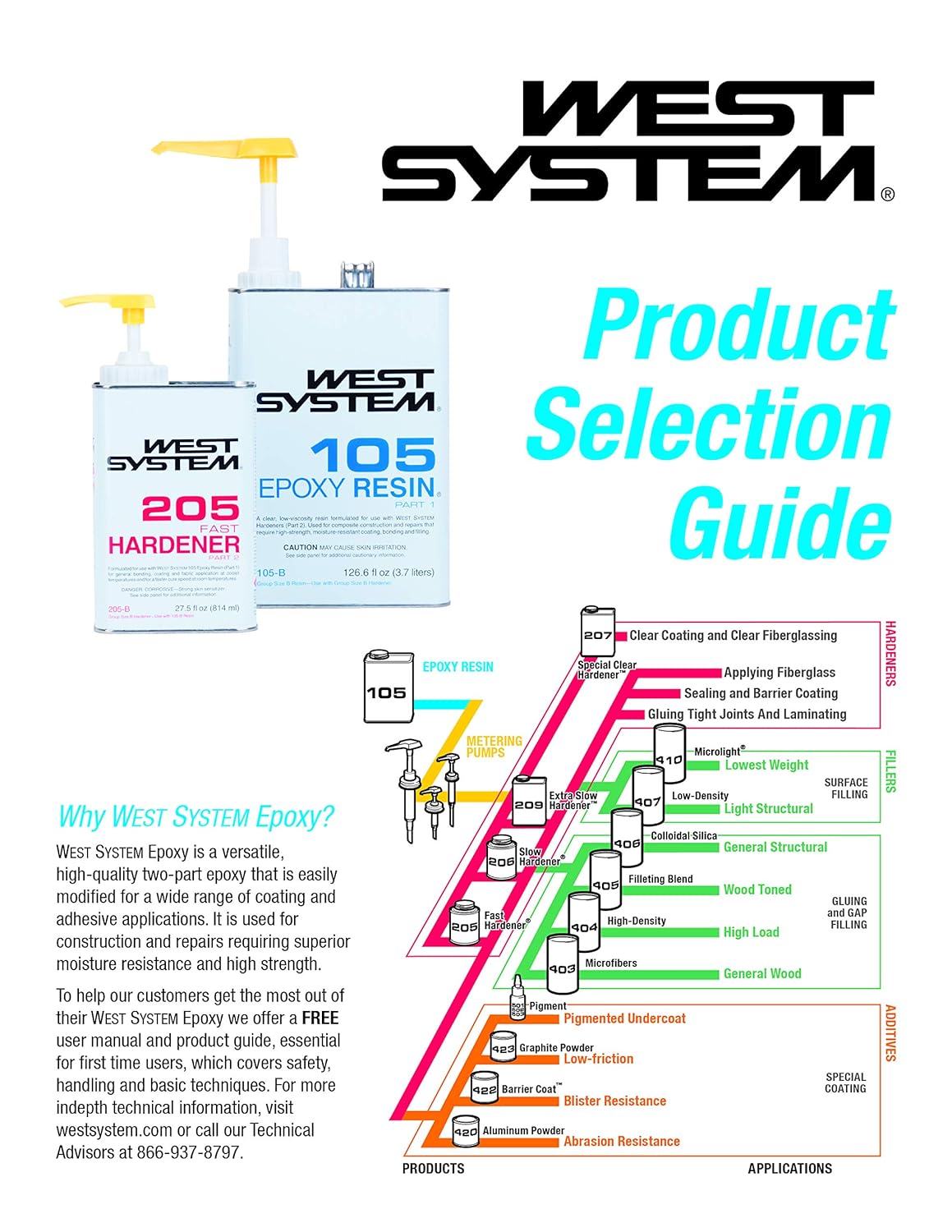
If you have both — soft spots in otherwise serviceable wood — you treat with penetrating epoxy first, let it cure fully, then build a spar varnish topcoat over it. Per epoxyworks.com’s technical articles on low-viscosity epoxy stabilization (published by WEST System), this stack approach is well-established in wood restoration work, and cured low-viscosity epoxy provides an excellent mechanical bonding substrate for subsequent film finishes.
One critical procedural point: fix water leaks before applying penetrating epoxy sealer. The product will not seal an active water pathway from behind. If your boat has a deck fitting, port, or fastener that’s still admitting water to the wood you’re treating, the epoxy will cure around the problem but won’t resolve it. Address the source of moisture intrusion first. This is the single most important step in the entire process.
Comparing the Two Products: Three Scenarios
The most useful way to compare spar varnish and penetrating epoxy sealer is not spec-sheet to spec-sheet — it’s scenario by scenario. The right product depends entirely on what condition your wood is in when you pick up the brush.
Scenario 1 — Sound Wood Needing Surface Protection
Rust-Oleum
$18.52
In stock on Amazon
Check price on AmazonFor wood that is structurally intact — hard, dense, probes clean with a pick — spar varnish is the correct and complete solution. Strip any failing old finish, sand to clean bare wood, and build a minimum of three coats for exterior marine service. Rust-Oleum Marine Spar Varnish is a widely available entry-to-mid-tier option reported by owners to deliver a rich amber gloss finish with good outdoor durability at an accessible price point. For cap rail, handrails, and above-waterline trim that is in good condition, spar varnish alone is all you need — provided you commit to annual maintenance coats as the film begins to show wear, typically first at corners and high-traffic zones. Per Practical Sailor’s brightwork evaluations, this maintenance discipline is what separates brightwork that lasts a decade from brightwork that fails in two seasons.
West
$108.20
In stock on Amazon
Check price on AmazonScenario 2 — Compromised Wood Needing Stabilization First
West
$108.20
In stock on Amazon
Check price on AmazonFor wood showing early softness, slight sponginess, or density loss from moisture intrusion — but still with intact fibers and structural continuity — penetrating epoxy sealer is the appropriate first intervention. TotalBoat Penetrating Epoxy Sealer is a well-regarded product in this category, with application guidance available through TotalBoat’s technical support documentation and FAQ. Flood-coat the affected areas until the wood stops absorbing — when the resin sits on the surface rather than wicking in, you’ve saturated the substrate. Allow full cure per manufacturer specifications (typically 24 to 72 hours depending on ambient temperature) before any topcoating. Per Jamestown Distributors Boatbuilder Central’s penetrating epoxy guidance, this approach is appropriate for transom framing, deck beams, cockpit sole substrate, and backing blocks behind fittings — wood that looks serviceable from outside but has lost density where moisture has been working.
West
$108.20
In stock on Amazon
Check price on AmazonScenario 3 — Stabilized Wood Ready for a Full Protective Finish
TotalBoat
$135.99
In stock on Amazon
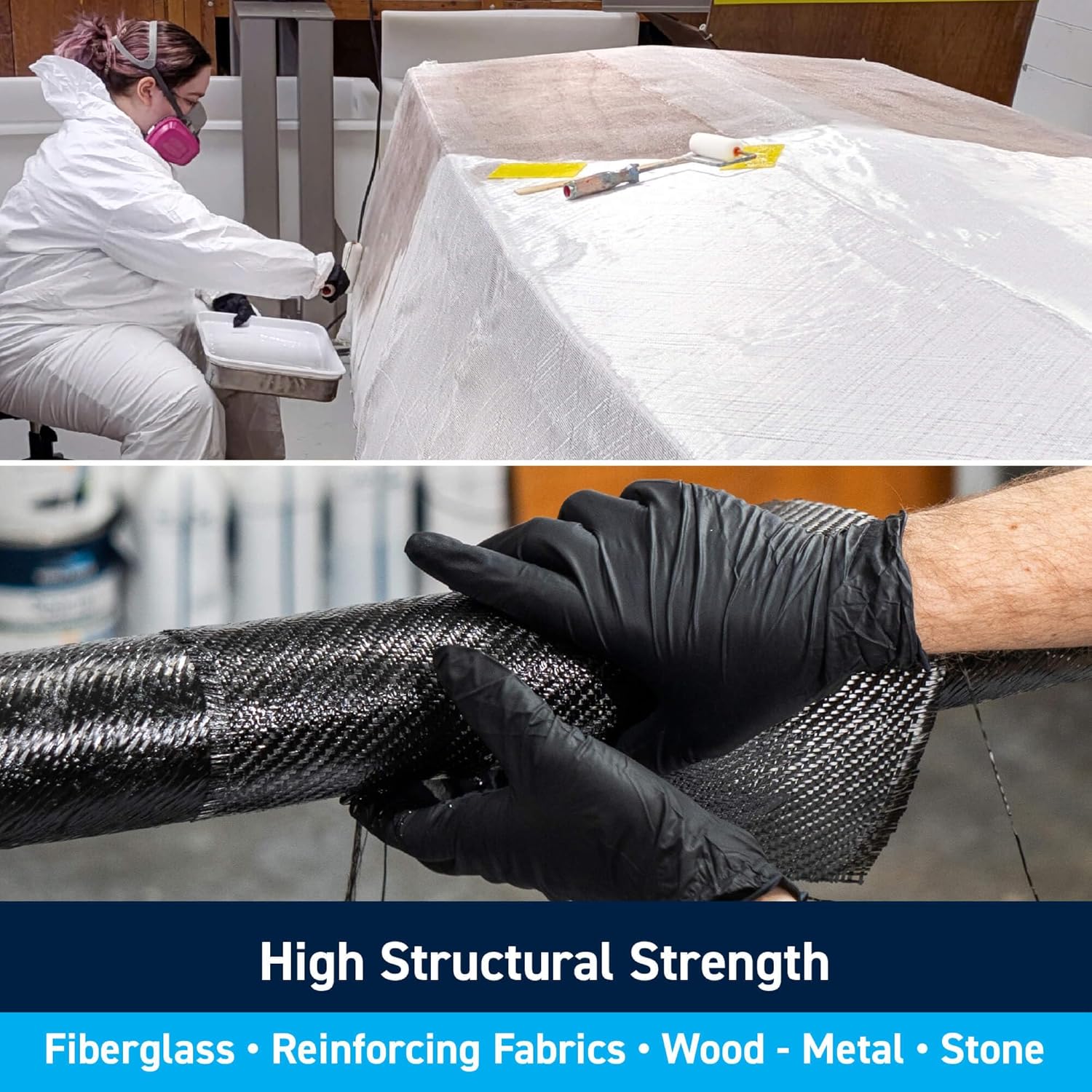
Check price on AmazonThe most complete solution for wood that has both early structural degradation and a need for long-term UV and moisture protection is the combination approach: penetrating epoxy sealer as the foundation, spar varnish as the finish system. This describes most exposed boat wood on a vessel with any meaningful age on it. Per epoxyworks.com’s published technical guidance on wood stabilization with low-viscosity epoxy systems, cured epoxy fills void spaces, binds remaining fibers together, and creates a stable non-absorbent substrate that improves varnish adhesion compared to raw weathered wood. A premium spar varnish — Epifanes Wood Finish Gloss or Interlux Schooner Spar Varnish — applied in five or more coats over a properly cured epoxy foundation delivers the best long-term brightwork performance available without full wood replacement. Per WoodenBoat Magazine’s editorial guidance on epoxy and wood, this stacked approach is well-established in serious boat restoration work.
TotalBoat
$135.99
In stock on Amazon
Check price on AmazonQuick Reference Comparison
| Spar Varnish | Penetrating Epoxy Sealer | |
|---|---|---|
| Function | Surface film / UV protection | Subsurface consolidation / stabilization |
| Application method | Brush or wipe, multiple thin coats | Brush, roller, or pour into cavities |
| Minimum coats for marine service | 3–5 | 2–3 flood coats until absorption stops |
| Topcoatable? | Final finish layer | Yes — varnish or paint can go over cured sealer |
| Structural restoration? | No | Partial — stabilizes, does not replace lost material |
| Best for | Sound wood, cosmetic protection | Soft or density-compromised wood |
Where Each Product Fails
Understanding failure modes is as important as understanding strengths.
Spar varnish fails when applied over compromised substrate. Film-forming finishes applied over soft or moisture-compromised wood will delaminate — the surface film lifts, peels, and traps moisture underneath, accelerating exactly the problem it was meant to prevent. Spar varnish also demands surface preparation discipline: you cannot apply it to raw weathered wood without sanding and expect adhesion. Every coat requires the previous coat to be lightly abraded — typically 220-grit between coats — for mechanical bonding.
Penetrating epoxy sealer fails when applied to wood that is beyond stabilization. Per WoodenBoat Magazine’s guidance on epoxy and wood, low-viscosity epoxy fills and bonds existing fibers — it cannot recreate fibers that are no longer there. If you probe an area and the pick goes through without meaningful resistance, you’re past stabilization territory. That wood needs to be cut out and replaced. Penetrating epoxy sealer is also not reliably suited to teak with intact oil content. Teak’s high natural oil content can interfere with epoxy adhesion and cure. Per Jamestown Distributors Boatbuilder Central’s guidance on teak and epoxy compatibility, teak should be thoroughly degreased with acetone immediately before epoxy application — and even then, adhesion can be unreliable on oil-saturated teak. For teak decks in good structural condition, dedicated teak restoration products are generally better-suited than penetrating epoxy sealer.
The mixing discipline for two-part epoxy matters more than with varnish. Incorrect mix ratios produce soft, under-cured resin that never develops full structural properties. Follow manufacturer-specified mix ratios exactly, and work in batches sized to your application area rather than your ambition.
Frequently Asked Questions
Can I apply spar varnish directly over penetrating epoxy once it cures?
Yes — this is one of the most practical combinations in wood rehabilitation finishing. Allow the epoxy to cure fully per the manufacturer’s technical data sheet for your ambient temperature, sand lightly with 120-grit to create a mechanical adhesion surface, then proceed with your spar varnish coats as normal. The cured epoxy provides a stable, non-absorbent substrate that actually improves varnish adhesion compared to raw weathered wood, as noted in epoxyworks.com’s technical articles on epoxy as a wood sealer.
Will penetrating epoxy sealer actually restore structural strength to rotten wood?
It stabilizes, and partially restores density to early-stage degraded wood — but it does not restore full original structural strength to severely compromised material. Per epoxyworks.com’s published technical guidance, low-viscosity epoxy fills void spaces and binds remaining fibers together. If the wood is still at roughly 60 to 70 percent of its original density (soft but not crumbling), the result can be a workable structural improvement. If fibers are largely gone, no epoxy product substitutes for proper removal and replacement.
How many coats of spar varnish do I need for a boat that lives in the water?
Three coats is the practical minimum for any exterior marine brightwork. For wood that faces persistent UV exposure — topsides cap rail, swim platform trim, cockpit coamings — Practical Sailor’s brightwork evaluations consistently support five or more coats with light sanding between each, followed by annual maintenance coats as the film begins to show wear.
Do I need to seal water leaks before using penetrating epoxy, or will the epoxy seal them?
Seal the leaks first — always. Penetrating epoxy sealer cures around existing wood structure; it does not reliably seal an active water pathway from behind, especially under pressure or active wicking. If you apply it while water is still infiltrating, you may encapsulate the moisture pathway and create a trapped-moisture situation that continues degrading the wood beneath the cured epoxy layer.
The Decision Rule
If your wood is sound but weathered: start and finish with spar varnish. Prepare the surface properly, build enough coats, and commit to annual maintenance.
If your wood is soft or punky in spots: penetrating epoxy sealer first, full stop. Fix the water source, flood the compromised areas until absorption stops, cure fully, then apply a spar varnish topcoat.
If you’re not sure: probe with a pick or awl. More than 3 to 4 mm of easy penetration means you have a structural problem, not just a surface one. Wrong sequencing here means doing the job twice.